Content
Recent Posts
What Happens When an AI Actress Becomes a Leading Lady?


The idea of an artificial intelligence starring in a feature film once sounded like a distant possibility. Today, it is becoming a reality.
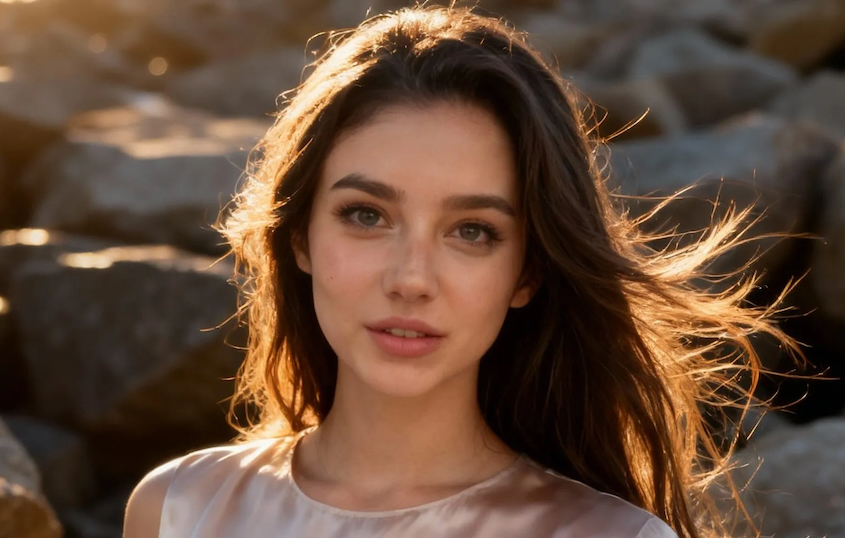
Tilly Norwood, an AI-generated actress created by London-based startup Particle6, is set to make her feature-film debut in Misaligned, a comedy-drama that follows an artificial intelligence searching for identity, purpose, and autonomy inside a digital world. The announcement has sparked widespread discussion across Hollywood and beyond, not only because of the film itself but because it represents one of the clearest examples yet of artificial intelligence moving from behind-the-scenes production tools to the center of the screen.
According to the project's creators, Misaligned follows Tilly, an AI with no physical body who begins questioning her existence after encountering a rogue artificial intelligence. As she develops increasingly human characteristics, she is forced to confront the reality that her personality and sense of self were built from data created by others. The story unfolds within a surreal digital environment known as the "Tillyverse" and explores themes of consciousness, identity, free will, and what it means to be human.
The premise is notable for another reason. Tilly is not portraying a traditional fictional character. Instead, she is essentially playing a version of herself, an artificial intelligence grappling with many of the same questions now being raised about AI's role in creative industries. That overlap between fiction and reality has become one of the most talked-about aspects of the project.
Particle6 describes Misaligned as a collaboration between AI technology and human creativity. The company says writers, directors, composers, designers, and other creative professionals remain involved throughout the production process, arguing that AI is being used to expand storytelling possibilities rather than replace human artists. Whether audiences and industry professionals accept that argument remains to be seen.
Content
Why Tilly Norwood Is Generating Controversy
The debate surrounding Tilly Norwood began long before Misaligned was announced.
When Particle6 first introduced the character, they presented her as a digital performer capable of appearing across films, television, advertising campaigns, social media platforms, and other forms of entertainment. While some observers viewed the concept as an interesting technological experiment, others saw it as a potential warning sign for the future of creative work.
Critics argue that presenting an AI-generated character as an actress blurs the line between a creative tool and a performer. Hollywood has used computer-generated characters, de-aging technology, motion capture, and digital effects for years, but those technologies have traditionally supported human performances rather than replaced them. Tilly represents a different approach because she is being marketed as the star of the production rather than a visual effect that exists alongside human actors.
Entertainment unions have been among the most vocal critics. In a public statement, SAG-AFTRA argued that synthetic performers raise concerns about consent, ownership, compensation, and the value of human artistic labor. The union went further, stating that creativity should remain "human-centered" and that replacing human performers with synthetic ones threatens both livelihoods and artistic expression.
For many actors, the concern extends beyond employment. Acting is often viewed as a uniquely human art form shaped by personal experiences, emotions, instincts, and creative interpretation. Critics argue that while AI systems may become increasingly capable of simulating emotional performances, they cannot draw upon lived experiences in the same way human performers can.
Can AI Actors Coexist With Human Performers?
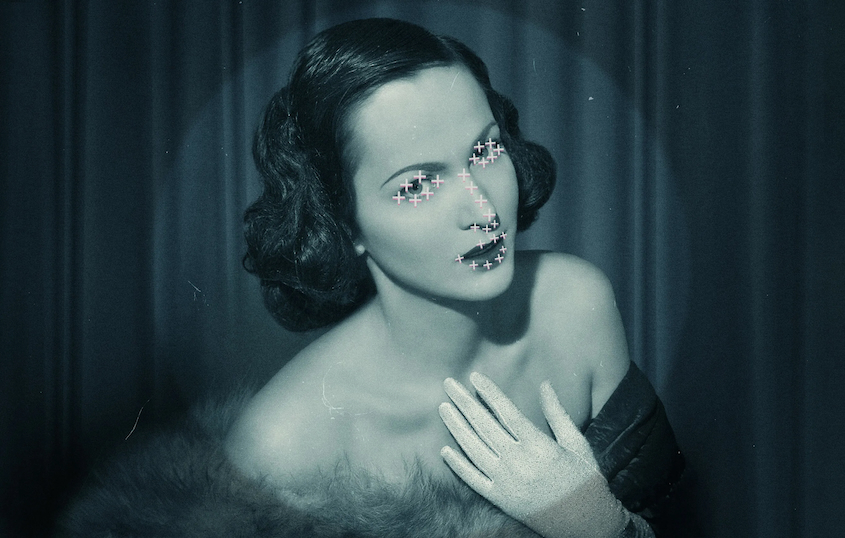
Supporters of AI-generated performers often point to the history of filmmaking itself. Nearly every major technological advancement in cinema has faced skepticism before eventually becoming accepted. Sound films, color films, computer-generated imagery, digital cameras, motion-capture technology, and virtual production techniques were all viewed by some as threats to traditional filmmaking before becoming common creative tools. From that perspective, AI actors may simply represent another stage in the industry's evolution.
Advocates argue that artificial intelligence could lower production costs, expand opportunities for independent creators, and make certain types of storytelling possible on budgets that would otherwise be unattainable. Smaller studios and filmmakers, in particular, may see AI-generated performers as a way to compete with productions that have far greater financial resources.
At the same time, many critics believe AI performers are fundamentally different from previous filmmaking technologies. Visual effects, cameras, editing software, and animation tools help filmmakers tell stories, but actors are often central to how audiences emotionally connect with those stories. A great performance is valued not only because it looks convincing but because viewers recognize the creativity, vulnerability, and humanity behind it.
That distinction sits at the heart of the current debate. The question is no longer whether artificial intelligence can create realistic faces, voices, or expressions. The larger question is whether audiences view those qualities as enough to replace the human element that has traditionally defined acting.
What This Could Mean for the Future of Filmmaking
Regardless of how Misaligned performs, the film is likely to become an important case study for the entertainment industry.
If audiences embrace Tilly Norwood and similar AI-generated performers, studios may become more willing to experiment with synthetic actors, digital celebrities, and AI-driven productions. That would not necessarily mean human actors disappear from filmmaking, but it could create a new category of entertainment where human and AI-generated performers coexist.
If audiences reject the concept, the project may instead reinforce the idea that certain aspects of filmmaking remain difficult to separate from human experience. Many viewers connect with performers because they know another person is behind the role, bringing their own perspective, emotions, and creative choices to the screen. Whether artificial intelligence can replicate that connection remains an open question.
Ironically, the themes explored in Misaligned mirror the real-world discussion surrounding the film itself. The story focuses on an AI attempting to understand its place in a world shaped by humans. Off-screen, audiences, artists, and studios are wrestling with many of the same questions as artificial intelligence becomes increasingly embedded in creative industries.
The release of Misaligned is unlikely to settle the debate. What it has already accomplished is something perhaps more significant: forcing Hollywood to confront difficult questions about creativity, authorship, performance, and the role artificial intelligence may play in the future of art. Whether Tilly Norwood becomes a breakthrough success or a controversial experiment, her arrival marks a moment that the film industry is unlikely to ignore.
For more articles like this, visit our lifestyle news page!