Content
Recent Posts
Meta's New Glasses Revive Fears of Everyday Surveillance


Meta wants its new AI glasses to feel as ordinary as a pair of sunglasses. That ambition may also explain why they have become one of the company's most controversial products.
The new Meta smart glasses, unveiled in June 2026 and starting at $299, can take photos and videos, answer questions through Meta AI, translate conversations, make calls, and provide information about the world around the wearer. Meta sees them as an important step toward a future where people interact with artificial intelligence through wearable devices rather than constantly reaching for a smartphone.
The technology itself is easy to understand. Smart glasses promise hands-free access to information, real-time assistance, and a more seamless way to use AI throughout the day. For Meta, they represent a chance to move beyond social media and help define what comes after the smartphone.
Yet while the launch generated excitement among technology enthusiasts, it also reignited a debate that has followed smart glasses for years. The closer cameras and AI move toward blending into everyday objects, the more questions emerge about privacy, consent, and what it means to live in public.
Content
A Camera Hidden in Plain Sight

Much of the recent attention came from Meta's collaboration with Kylie Jenner, which helped bring the glasses into mainstream conversation. The partnership also sparked criticism from people who worry that wearable cameras are becoming fashionable before society has fully grappled with their consequences. Across social media, critics described the glasses as invasive, with many questioning whether people should have to wonder if they are being recorded every time they interact with a stranger.
Women were among the most vocal critics, with some raising concerns about covert recording and harassment. Others focused on children, questioning how parents would know when camera-equipped glasses are recording at parks, restaurants, sporting events, or other public spaces. While smartphones can also record people, critics argue that phones provide an obvious visual cue. Smart glasses are designed to blend in, making recording far less noticeable.
The End of Anonymous Public Spaces?
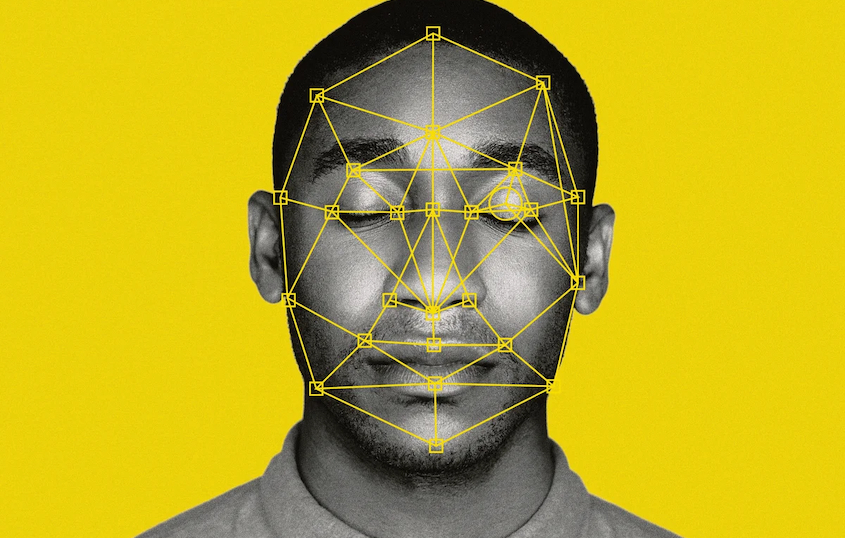
Those concerns extend beyond what the glasses can do today. Privacy advocates have focused heavily on what future versions of the technology could become. Earlier this year, reports revealed code references related to facial recognition within Meta's smart glasses ecosystem before the company removed them following public scrutiny. Meta has stated that its consumer smart glasses do not identify strangers through facial recognition and that no such feature currently exists in the product. Even so, the discovery intensified concerns among privacy advocates and civil liberties groups, many of whom have warned that combining wearable cameras, artificial intelligence, and facial recognition could fundamentally change expectations of anonymity in public places.
The Panopticon in Everyday Life
The debate is not only about privacy. It is also about psychology. Researchers have long found that surveillance can influence behavior, making people more cautious, self-conscious, and less willing to express themselves freely. The effect does not necessarily require active monitoring. Sometimes the possibility of being watched is enough.
Critics often point to the Panopticon, philosopher Jeremy Bentham's famous prison concept, in which prisoners never know when they are being observed. Because surveillance is always possible, they begin behaving as though they are constantly being watched. Modern scholars frequently use the idea as a metaphor for environments where observation becomes widespread but difficult to detect.

Some privacy advocates argue that smart glasses could introduce a softer version of that dynamic into everyday life. Most people will never know whether someone nearby is actively recording, using AI features, or simply wearing a pair of glasses. The uncertainty itself may shape behavior. People may become more guarded in public spaces, not because they are actually being watched, but because they cannot be sure they are not.
That concern has surfaced even among some reviewers who have spent extended time using smart glasses. While many praised the convenience of hands-free technology, others described feeling unusually aware of the people around them and questioning whether bystanders knew when recording was taking place.
None of this means Meta's glasses are destined to fail. Many technologies that initially raised privacy concerns eventually became part of everyday life. Smartphones, social media platforms, and connected home devices all faced skepticism before gaining widespread adoption. Supporters of smart glasses argue that wearable AI could follow a similar path if companies remain transparent about how the technology works and establish meaningful safeguards.
Still, trust remains one of Meta's biggest challenges. The company is asking consumers to embrace a device that can see, hear, and interpret the world around them while trusting that those capabilities will be used responsibly.

Meta sees its glasses as the next step in personal technology and a glimpse of a future where AI is always within reach. Critics see something different: a future where surveillance becomes less noticeable, more socially acceptable, and increasingly woven into daily life.
The debate surrounding the glasses is ultimately larger than a single product launch. It is a debate about where society draws the line between convenience and privacy, and whether people are comfortable living in a world where the presence of a camera is no longer easy to see.
For more articles like this, visit our Tech News page!