Venezuela Earthquakes Draw Major U.S. Response


Venezuela is facing one of the deadliest natural disasters in its modern history after two powerful earthquakes struck the country on June 24, 2026, triggering a fast-moving humanitarian crisis and drawing a major response from the United States.
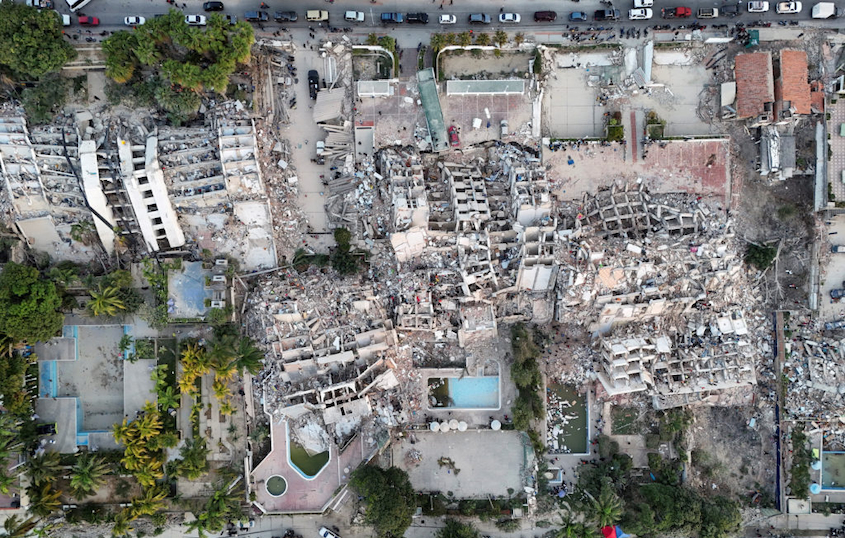
The disaster began with a magnitude 7.2 earthquake, followed just 39 seconds later by a more powerful magnitude 7.5 shock. According to the U.S. Geological Survey, the first event was part of a seismic doublet, meaning the country was hit by two major earthquakes close together in both time and location rather than a single mainshock followed by a much smaller aftershock. The shaking caused severe damage across north-central Venezuela, including areas around Caracas and the coastal state of La Guaira, where collapsed buildings, damaged roads, disrupted communications, and overwhelmed hospitals complicated rescue efforts almost immediately.
The death toll has continued to climb in the days since the earthquakes struck. As of June 30, Venezuelan authorities reported at least 1,719 deaths, more than 5,000 injuries, and nearly 16,000 people left homeless. Tens of thousands of people have also been reported missing or unaccounted for through public registries and family reports, though many of those cases have yet to be verified. Rescue operations remain active, but hopes of finding large numbers of additional survivors have faded as the disaster enters its second week.
The scale of the damage has made the response especially difficult. Hospitals, homes, schools, transportation routes, power systems, and telecommunications networks were affected, while repeated aftershocks raised the risk of additional collapses. The United Nations and humanitarian agencies have warned that millions of people could be affected by the disaster, with early estimates placing damage in the billions of dollars. In some areas, residents and volunteers were seen digging through debris with limited equipment as they waited for heavy machinery and specialized rescue teams. Reports from affected communities have also highlighted frustration over the pace of the initial response, with some residents saying they relied on neighbors and local volunteers during the crucial first days after the earthquakes.
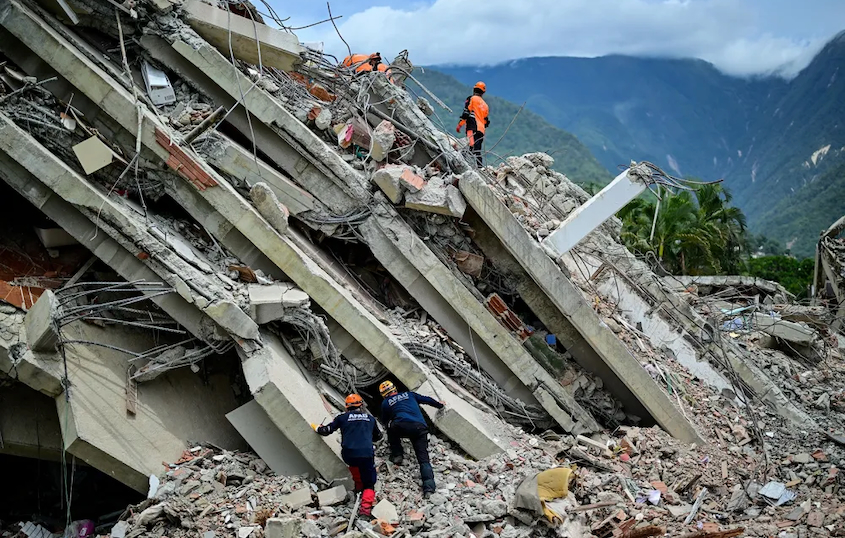
This is not just a foreign disaster story. The United States has emerged as one of the most visible international responders, providing humanitarian aid, rescue teams, military logistics support, and sanctions flexibility to help relief reach affected areas. U.S. officials said they were in contact with Venezuelan authorities shortly after the earthquakes and began mobilizing disaster assistance, including search-and-rescue teams, medical supplies, and humanitarian support.
Washington has pledged $150 million in aid, including funding for emergency relief efforts and support through international channels. The U.S. Treasury also issued General License 60, allowing earthquake-relief transactions that could otherwise be complicated by existing Venezuela sanctions. That step matters because humanitarian aid can move more slowly when financial restrictions, banking rules, and sanctions compliance questions are unclear. In this case, the license was meant to clear space for relief work during an urgent crisis.
The U.S. connection also runs through Florida. Pew Research Center reported that Florida is home to the largest Venezuelan population in the United States, with hundreds of thousands of Venezuelans living in the state. That makes the disaster personal for many American families, especially in South Florida, where Venezuelan communities began organizing relief efforts, collecting supplies, and trying to reach relatives back home. Miami-Dade rescue teams were also included in the broader U.S. response, strengthening the local connection for American readers.
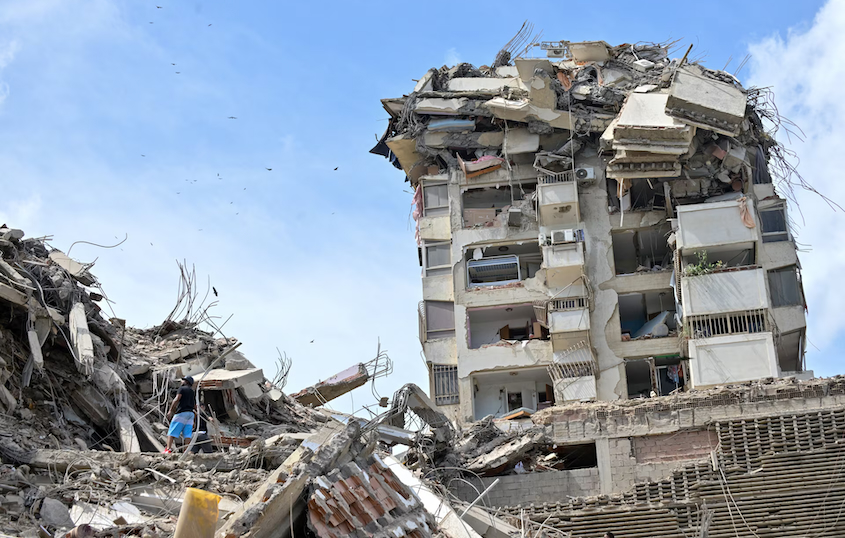
The international response has widened as well. According to Reuters, 30 countries have contributed assistance, including rescue personnel, search dogs, medical teams, emergency supplies, and humanitarian funding. Authorities reported that more than 3,600 rescue and support workers, along with over 100 search-and-rescue dogs, have joined recovery operations in the hardest-hit regions. The European Union activated its Civil Protection Mechanism, while humanitarian organizations and foreign governments continued delivering aid and technical support.
Even as hopes of finding survivors diminish, several dramatic rescues have provided moments of relief. Rescue crews pulled a father and son alive from a collapsed building in La Guaira after they spent four days trapped beneath the rubble. U.S. and international rescue teams also helped save a mother and her infant daughter from another collapsed structure. Authorities said at least 33 people were rescued alive over the weekend, underscoring the determination of local and international teams despite increasingly difficult conditions.
The disaster also comes at a politically sensitive moment for U.S.-Venezuela relations. Washington and Caracas have had a long and complicated relationship, shaped by sanctions, oil, migration, and political conflict. The earthquakes have temporarily shifted attention toward humanitarian cooperation, but analysts have noted that the response could also test U.S. influence in the region and Venezuela's willingness to accept outside help. That does not make the disaster less humanitarian. It simply means the relief effort is unfolding in a country that already matters to U.S. foreign policy, energy interests, and migration debates.
Venezuela is no stranger to major seismic events. The country experienced a devastating earthquake in Caracas in 1812 and another destructive quake in the capital region in 1967. Experts note that much of Venezuela's population lives near active fault systems, making earthquake preparedness and building safety a continuing concern long after the current rescue effort ends.
For now, the priority remains rescue and relief. Survivors need medical care, shelter, food, water, and safe access to damaged communities. Families are still waiting for news of missing loved ones, and responders are working against time while aftershocks and damaged infrastructure continue to slow recovery. For the United States, the crisis is a test of humanitarian reach and regional leadership. For Venezuelans, both at home and across the diaspora, it is a painful and urgent fight to save lives, reconnect families, and begin rebuilding after a disaster that will likely shape the country for years.
For more articles like this, visit our lifestyle news page!