How the U.S. Has Hosted the 2026 World Cup So Far


With the first matches only days away, the 2026 FIFA World Cup should be dominating global sports conversation. Instead, much of the discussion surrounding the tournament has focused on visa disputes, airport screenings, ticket prices, and travel costs rather than the football itself.
The United States has spent years preparing to host the largest World Cup in history, with 78 of the tournament's 104 matches taking place across 11 American cities. Stadiums have been upgraded, transportation plans have been developed, and officials have repeatedly promised a smooth experience for the millions of visitors expected over the next month.
On paper, the preparations appear extensive. The White House established a dedicated World Cup task force, host cities rolled out visitor services and transportation plans, and stadium operators spent years preparing hybrid natural-grass playing surfaces for venues that normally use artificial turf. The infrastructure appears ready for a tournament of unprecedented scale.
Yet many of the biggest headlines surrounding the competition have had little to do with soccer.
Questions about visas and border entry have followed the tournament for months. As reported by The Guardian, Iran moved its base camp to neighboring Mexico amid uncertainty surrounding visas for several staff members. Iraq striker Aymen Hussein was questioned for hours after arriving at Chicago O'Hare Airport, while team photographer Talal Salah was denied entry following lengthy questioning.
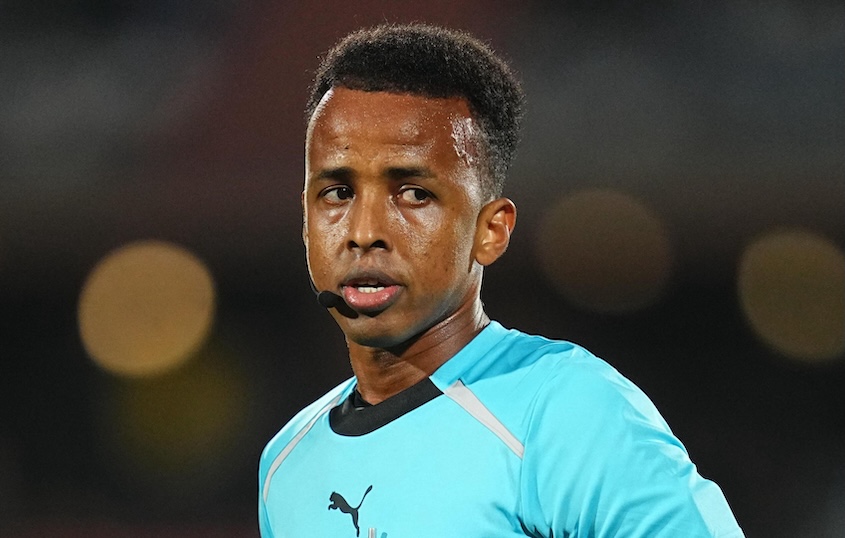
The most widely discussed case involved Somali referee Omar Artan, the first Somali official selected for a men's World Cup. Artan was denied entry into the United States after arriving in Miami and later returned home to a hero's welcome in Mogadishu. The incident sparked criticism from supporters who questioned how a global sporting event could face such a high-profile entry dispute.
Not every complaint has proven accurate. Reports that Senegal's national team had been treated unfairly upon arrival were later debunked, with Reuters reporting that the footage showed a routine security screening before a domestic charter flight. Even so, the controversy highlighted a broader concern. The arrival experience has felt uncertain enough that many fans have been quick to believe the accusations, whether they ultimately proved true or not.
Away from immigration concerns, organizers have invested heavily in promotion, entertainment, and fan experiences. Los Angeles launched its World Cup campaign with celebrity appearances and large-scale fan events, while the New York-New Jersey host committee introduced concierge services and visitor programs. Corporate sponsors have rolled out promotions, giveaways, and hospitality packages across host cities.
Despite those efforts, the tournament has not generated the same level of visible global excitement that surrounded several recent World Cups. That perception is difficult to measure, but it has become a recurring theme among supporters online. Discussions ahead of kickoff have often centered on ticket prices, travel logistics, and border issues rather than the matches themselves. Previous tournaments arrived with storylines that dominated the global conversation long before the opening whistle. So far, the 2026 World Cup has struggled to find a similarly defining narrative.
Ticket prices have become one of the tournament's biggest sources of criticism. FIFA says more than six million tickets have been sold and that demand has exceeded expectations. President Gianni Infantino has defended the pricing structure, arguing that lower prices would mainly benefit resellers. Many supporters remain unconvinced.
Tickets for the final have reached thousands of dollars, while some hospitality packages have climbed into the tens of thousands. Supporter groups have filed complaints with European regulators, and lawmakers in the United States have urged FIFA to make tickets more affordable. Authorities in several states have also examined complaints about ticketing practices. Perhaps the clearest sign of fan frustration came just days before kickoff, when tickets remained available for the U.S. opener against Paraguay. For a World Cup match involving the host nation, that is unusual.
Transportation costs have generated similar criticism. Rail fares for some matchday routes sparked backlash before organizers reduced prices, while fans in several cities questioned the cost of getting to stadiums. Other host cities have responded with free shuttles or discounted transit, creating a noticeably different experience depending on where matches are being played.
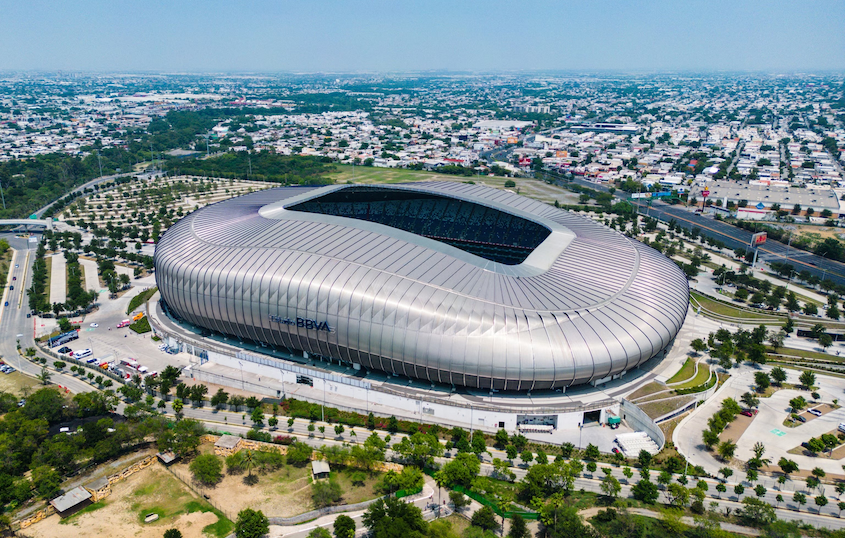
Taken together, the tournament's early rollout presents a mixed picture. The stadiums are prepared, fan festivals are opening, and organizers appear confident in their ability to handle the logistical demands of the event. At the same time, visa disputes, entry concerns, expensive tickets, and transportation costs have created distractions that FIFA would rather avoid and have shaped the conversation around the tournament almost as much as the action on the field.
None of that appears to be hurting interest in soccer itself. Research cited by Reuters found that North America's soccer fan base has grown to more than 136 million people, with many expecting their interest in the sport to increase after the World Cup.
That may be the clearest takeaway before the first whistle. Fans still want the World Cup. The debate is not about whether people care about the tournament. It is about whether the experience surrounding it will match the scale and spirit that the competition is supposed to represent. The United States has shown it can organize a World Cup. The weeks ahead will determine whether it can deliver the atmosphere and sense of welcome that many supporters expect from the world's biggest sporting event.
For more articles like this, visit our lifestyle news page!