Content
Recent Posts
Top Questions to Ask Yourself When Buying a New Car

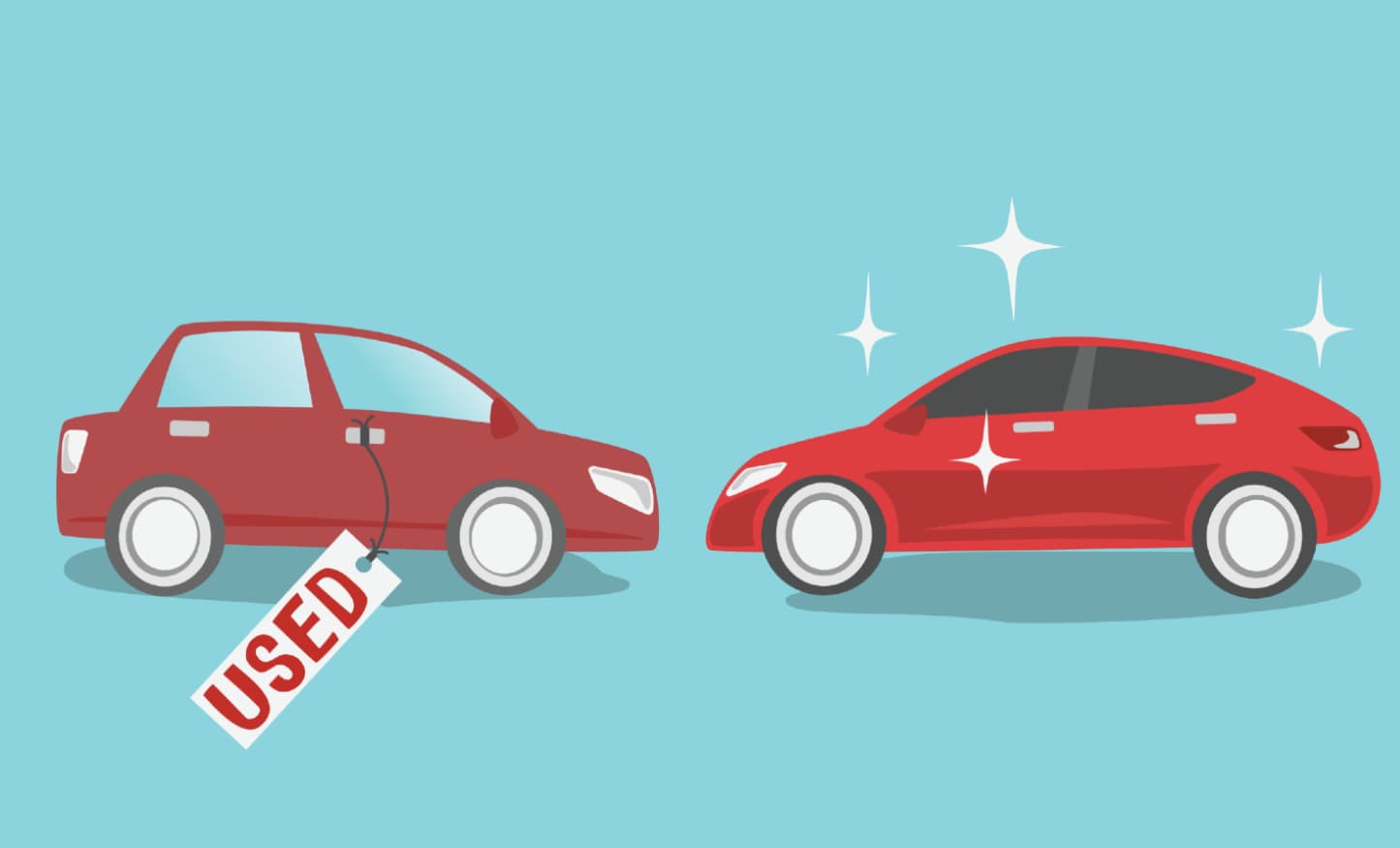
Buying a new car feels exciting, but it also comes with significant questions, substantial financial decisions, and car loans; it’s a choice that will impact you for years. You don’t just want a shiny upgrade. You want something that makes sense for your life, your budget, price range, and your future. That’s why slowing down and asking yourself the right questions matters before you sign anything or fall in love with something on the lot.
In this guide, you’ll walk through the most important things to think about before buying your next car, including whether you really need one right now, what problem you’re trying to solve, how much you can comfortably afford, what type of car fits your lifestyle reliably, and how to approach dealerships confidently.
Content
Do You Actually Need a New Car Right Now?
Think about why you’re considering it
Ask yourself what pushed you to think about a new car.
- Is your current car constantly breaking down?
- Are repairs getting too expensive?
- Do you feel unsafe driving it?
Sometimes people want a new car simply because they’re tired of what they have, or they want something “fresh.” That’s understandable, but needs and wants lead to very different financial decisions. If your car is running well, and is safe and affordable to maintain, you may be able to wait a bit longer. If it’s unreliable, causing you a lot of stress, or costing more than it should, then a replacement becomes easier to justify.
This first question grounds your decision in reality, so you’re not rushing just because you saw a nice ad or a good dealership promotion.
What Problem Are You Trying to Solve With a New Car?
Identify your main reason
A car is more than something you drive. It’s something that supports your lifestyle. So ask yourself:
- Do you need more space for family or kids?
- Do you want better fuel efficiency to save money every month?
- Do you want updated safety features like blind-spot monitoring or lane assistance?
- Do you travel a lot and need something more comfortable or powerful?
Understanding your “why” helps you narrow your choices. Instead of randomly browsing, you’ll be searching with purpose. That saves time, money, and stress and helps you find the right vehicle.
What Is Your Realistic Budget?
Look beyond the sticker price
Budget is one of the biggest parts of this decision. You’re not just paying for the car. You’re paying for:
- Monthly financing or leasing payments
- Insurance costs
- Fuel, or charging if it’s electric
- Maintenance and repairs
- Taxes and fees
- Possible extended warranty
Consider what fits comfortably within your budget without straining your finances. A car should support your life, not control it. Many people only think, “Can I afford the monthly payment?” but forget the rest. Give yourself room to breathe financially.
Should You Buy New, Used, or Certified Pre-Owned?
Each option serves a different type of buyer
There isn’t one “right” choice. Instead, there’s a right choice for your situation.
New cars
- Come with a full warranty
- Have the latest tech and safety
- Cost more and lose value faster at the beginning
Used cars
- More affordable
- Great for budget-conscious buyers
- May come with more wear and fewer warranties
Certified pre-owned (CPO)
- Usually inspected and refurbished
- Often includes limited warranties
- Cost more than regular used but less than new
Think about how much risk you’re comfortable with and how much reassurance and peace of mind you want.
How Long Do You Plan to Keep the Car?
Your timeline matters more than many people realize. If you plan to keep the car for many years, factors such as long-term reliability and ownership costs become increasingly important. If you frequently change cars, flexibility becomes more important.
Also, think about leasing versus financing.
- Leasing might suit you more if you like switching cars every few years
- Buying makes more sense if you plan to keep the car long term
Is This Car the Right Fit for Your Lifestyle?
Make sure it feels like “your” car
How you live every day determines what you drive comfortably.
Think about:
- Daily commute length
- Parking and city driving
- Road trips or family travel
- Weather and road conditions in your area
A small compact car might be perfect for city commuting, but not ideal for a large family. An SUV may feel powerful and comfortable, but maybe you don’t need something that big. The right car should blend into your life naturally—not force you to adjust your lifestyle around it.
Are You Thinking About the Future, Not Just Today?
Life changes. Jobs change. Families grow. Needs shift. Ask yourself: will this car still make sense a couple of years from now?
- Planning for kids? You may need more space
- Thinking about relocating? Different roads may call for different types of cars
- Expecting higher mileage soon? Durability matters more
Have You Researched Reliability & Ownership Experience?
Don’t skip this step
Even a beautiful car can be disappointing if it spends too much time in the repair shop. Before you decide on a specific model, look into:
- Reliability ratings and consumer reports
- Common issues reported by owners
- Warranty coverage information
- Maintenance costs
- Online resources
This provides a more accurate picture of what to expect after the excitement of the purchase subsides.
Are You Ready to Compare Offers and Negotiate?
When you reach this stage, make sure you:
- Compare offers from multiple dealerships
- Understand fees, incentives, and promotions
- Take your time and avoid emotional decisions
- Ask questions about anything that’s unclear and review additional information
You deserve transparency and clarity. The more prepared you are, the easier this part becomes.
Recommended Car Dealerships and Helpful Options
AutoNation
AutoNation is one of the largest automotive retailers in the U.S., known for their wide reach and strong presence across many locations. They work with many major brands, which means buyers usually have access to a broad selection of vehicles.
Features and services
- New and used vehicle inventory
- Financing options and assistance
- Vehicle service and maintenance centers
- Trade-in options
What stands out
AutoNation is often appreciated for their large selection, structured buying process, and availability of different types of vehicles, making them a helpful option for shoppers who want variety and supportive services under one umbrella.
Byrider
Byrider focuses heavily on helping buyers who may find traditional financing difficult. They specialize in used vehicles and pair car sales with financing support, which can make the process smoother for certain buyers.
Features and services
- Used car inventory
- In-house financing support in many locations
- Inspections and reconditioning on vehicles
- Limited warranties or service coverage options, depending on location
What stands out
Byrider helps those who need financing flexibility and may need credit union alternatives, structured plans, and peace of mind with inspected vehicles and auto loans options.
B&B Automotive
B&B Automotive generally represents local or regional dealership experiences, depending on location, often focusing on customer interaction, support, and community familiarity.
Features and services
- Used or sometimes mixed used and new vehicle options
- Personalized buying assistance
- Maintenance and service offerings depending on the branch
- Potential trade-in options
What stands out
B&B Automotive stands out for offering a more personal, community-based dealership experience, with hands-on support and service that feels local and familiar.
Conclusion
If you’re still deciding whether now is the right time to buy a new car, come back to the basics: do you truly need it, does it solve a real problem, and can you comfortably afford it without pressure? Think about how long you plan to keep it, whether a new, used, or certified pre-owned car makes more sense, and whether it fits your daily life and where your future is heading. Take a moment to consider reliability, cost of ownership, and genuine customer experiences, so you’re not surprised later. And when you’re ready to shop, choose dealerships that make you feel supported, informed, and confident throughout the process.
At the end of the day, the right choice depends on what matters most to you in your car-buying journey. If you want to see how different dealerships compare, check out our detailed car dealership reviews. You can also use our comparison tool to look at options side by side based on your needs and budget. And if you want more guidance and tips before making a decision, our blog has plenty of helpful articles to support you along the way.