Content
Recent Posts
Why the World Cup Final Is Getting a Halftime Show


For most of the World Cup's history, the final has followed the same formula. Forty-five minutes of football, a brief halftime break, then another forty-five minutes to decide the sport's biggest prize. There were opening ceremonies, official songs, and celebrity appearances around the tournament, but the final itself remained focused almost entirely on the match.
That tradition will change on July 19 when the 2026 FIFA World Cup final at New York New Jersey Stadium in East Rutherford, New Jersey, becomes the first in tournament history to feature a halftime show. According to Reuters, Justin Bieber has joined a lineup that includes Madonna, Shakira, BTS, Burna Boy, conductor Gustavo Dudamel, and New York's PS22 Chorus. The event is being produced in partnership with Global Citizen and curated with the help of Coldplay frontman Chris Martin.
The announcement has generated plenty of attention because of the performers involved, but the bigger story is why FIFA decided the World Cup needed a halftime show in the first place. One reason is the scale of the tournament itself. The 2026 World Cup is the largest in the competition's history, expanding from 32 teams to 48 and taking place across the United States, Canada, and Mexico. With billions of viewers following the tournament, FIFA appears eager to turn the final into a broader cultural event while keeping the match at the center of the occasion.
Content
Why FIFA Is Changing a World Cup Tradition
The location of the final also helps explain the decision. The championship match will be played in the United States, where major sporting events have long blended competition and entertainment. While FIFA has not explicitly described the show as a World Cup version of the Super Bowl halftime performance, the influence is difficult to ignore. American audiences are accustomed to viewing halftime as part of the entertainment experience, and FIFA appears to be betting that a globally recognized lineup can attract casual viewers without overshadowing the match itself.
There is also a charitable element behind the production. The halftime show supports the FIFA Global Citizen Education Fund, which aims to raise $100 million for education and football access programs around the world. A portion of ticket sales from the tournament contributes to that goal, allowing FIFA and Global Citizen to position the performance as more than just entertainment. According to FIFA, the event is intended to help raise awareness and support for the initiative while bringing together artists with worldwide appeal.
FIFA seems aware that some football supporters are skeptical of the concept. Unlike the Super Bowl, where halftime can become a major event in its own right, the World Cup performance is expected to last roughly 11 minutes and remain close to the traditional halftime interval. Officials have repeatedly emphasized that the match itself will remain the main attraction, suggesting the organization is trying to strike a balance between attracting new audiences and respecting the traditions of the sport.
Why Shakira, Bieber, BTS & Madonna Made the Cut
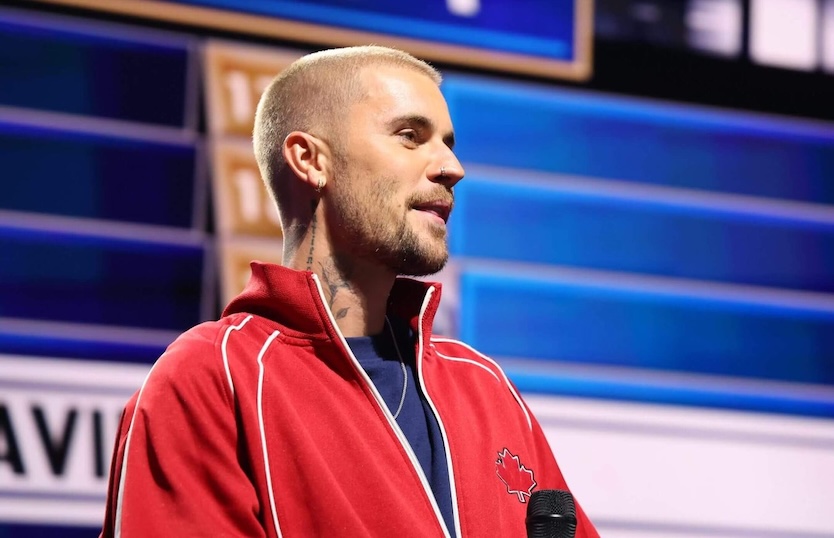
FIFA's choice of performers appears designed to reflect the tournament's global reach. Madonna brings decades of international recognition, BTS represents one of the largest fan communities in modern music, Justin Bieber remains one of the most recognizable pop stars in the world, and Burna Boy's inclusion reflects the growing influence of African music on the global stage. Together, the lineup spans multiple generations, regions, and musical styles, mirroring the worldwide audience that the World Cup attracts every four years.
Shakira's presence may be the easiest to explain. Few artists are more closely associated with the World Cup than the Colombian singer, whose 2010 anthem "Waka Waka (This Time for Africa)" became one of the most recognizable songs in the tournament's history. Her connection to the 2026 competition goes even further. Shakira and Burna Boy recorded Dai Dai, the official song of the 2026 FIFA World Cup, making them natural choices for an event intended to celebrate the tournament both on and off the pitch.
Chris Martin's role in helping assemble the lineup reflects FIFA's broader strategy. Rather than focusing on a single genre or demographic, the performers were selected to appeal to audiences across different countries and age groups. The goal appears to be creating a show that feels as international as the tournament itself rather than one centered on a particular market or musical style.
Not Every Football Fan Is on Board
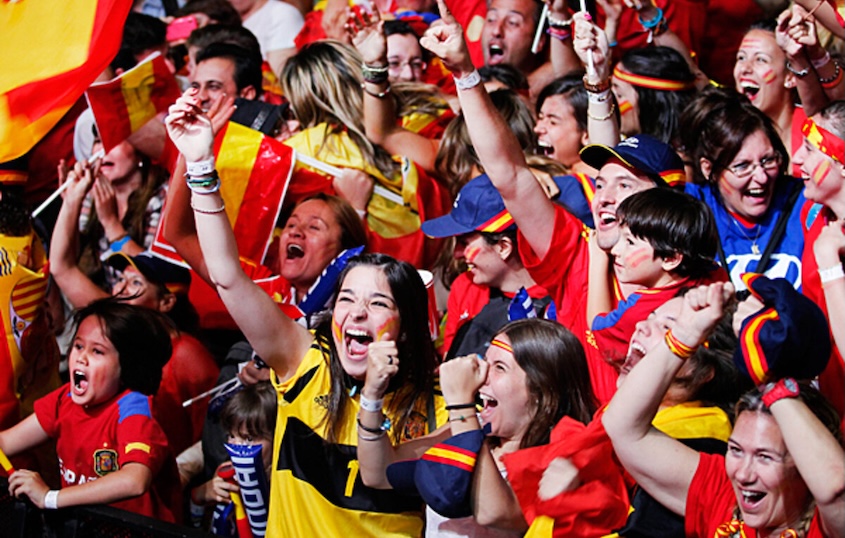
Fan reaction to the halftime show has been mixed since the lineup was announced. Supporters argue that the World Cup already functions as a global cultural event and that adding a short musical performance is a natural evolution for a tournament watched by billions of people. Critics counter that football's biggest match has never needed a halftime spectacle and worry that FIFA is importing an American sports tradition that does not fit the culture of the game.
The debate highlights a broader question about how the World Cup should evolve as the tournament continues to grow. FIFA sees the halftime show as an opportunity to expand the event's cultural reach and introduce new audiences to the sport, while some longtime supporters fear that entertainment could gradually begin competing with the football itself. The organization's decision to keep the performance relatively short suggests it understands those concerns and is trying to avoid turning halftime into a separate event.
Whether the experiment succeeds may determine if halftime shows become a regular feature of future World Cups. FIFA believes the format can attract new viewers while preserving the integrity of the match, but the final verdict will come from football fans when the tournament reaches its biggest moment on July 19.
For more articles like this, visit our lifestyle news page!