Content
Recent Posts
When Does Concern Become Body Shaming?


Ariana Grande's planned break from public life has reignited a conversation that reaches well beyond one celebrity. According to People, her representative cited years of public scrutiny surrounding her appearance when explaining the decision, while Grande later clarified during a concert that the break had been planned long before the recent headlines. Even so, the announcement revived a debate that had been building for months, raising a difficult question about where to draw the line between respecting someone's privacy and expressing concern for their well-being.
Grande has addressed this issue before. In 2023, after another wave of comments about her appearance, she revealed that the version of herself many people remembered as looking "healthy" had actually been during one of the lowest periods of her life, when she was struggling personally and taking antidepressants. Her message challenged a common assumption that health can be judged by appearance alone. A photograph captures a single moment, but it cannot reveal someone's physical health, mental well-being, or the circumstances behind either.
Even after Grande shared that experience, the public conversation didn't disappear. If anything, it became more complicated. Looking through the discussion online, it became clear that many people weren't trying to criticize her or make jokes at her expense. They believed they were reacting to visible changes that made them genuinely worry about her well-being. Whether those concerns were justified is impossible to know from the outside. What the reaction did reveal, however, was a broader question that extends far beyond Ariana Grande: have we become so cautious about commenting on another person's appearance that even genuine concern is now mistaken for body shaming?
Content
Compassion or Crossing the Line?
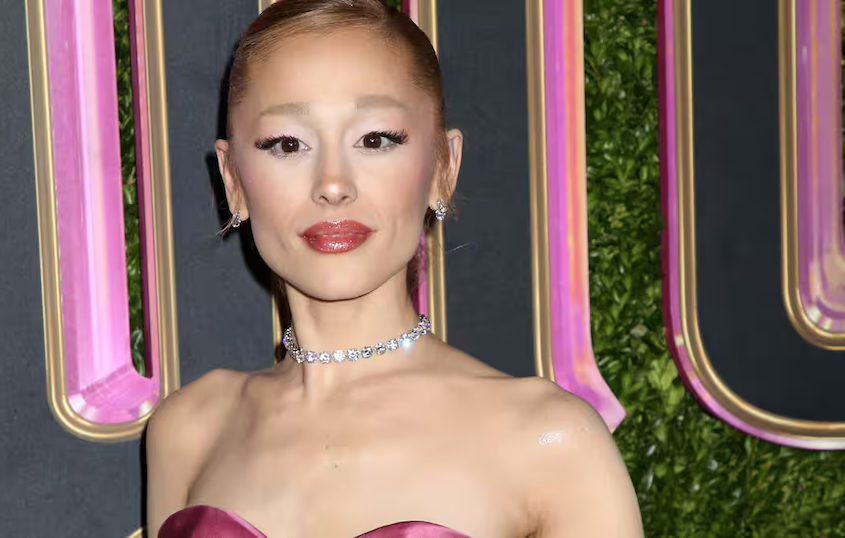
It didn't take long for the discussion to move beyond Ariana Grande herself. What began as comments about one celebrity soon became a debate over whether people had crossed a line by commenting on her appearance at all. For many people, the discussion should have ended there. Grande had repeatedly asked people not to speculate about her health, making any further analysis of her appearance feel invasive. Others insisted they weren't criticizing or mocking her as they believed they were responding to visible changes that made them genuinely worry about her well-being.
Social media made that distinction almost impossible to maintain. Messages expressing concern appeared alongside cruel jokes, conspiracy theories, and strangers confidently diagnosing someone they had never met. Before long, those very different reactions became part of the same conversation, blurring the line between compassion and speculation.
Part of the discomfort comes from the nature of eating disorders themselves. They are among the deadliest mental health conditions, and research consistently shows that early intervention improves the chances of recovery. Organizations such as the National Eating Disorders Association (NEDA) guide on helping a loved one, and Beat's guidance for supporting someone you are worried about encourages friends and family to speak up when they notice worrying changes in someone they know. Their advice isn't to diagnose or demand explanations, but to approach the conversation with compassion, listen without judgment, and encourage professional support if needed.
Those recommendations, however, are meant for people who have a genuine relationship with the individual. Friends, relatives, partners, and healthcare professionals have context that photographs and social media posts can never provide. They notice changes in behavior, mood, eating habits, and daily life over time. More importantly, they have the trust needed to ask difficult questions and offer meaningful support.
None of this changes one important fact: there is no verified evidence that Ariana Grande has an eating disorder or any other medical condition, and no one can responsibly diagnose her from photographs or public appearances. At the same time, dismissing every expression of concern as body shaming risks oversimplifying an issue that mental health professionals have spent decades trying to address. The real distinction isn't between people who care and people who don't, it's between those who are in a position to help and those who can only speculate.
The History Behind Today's Debate
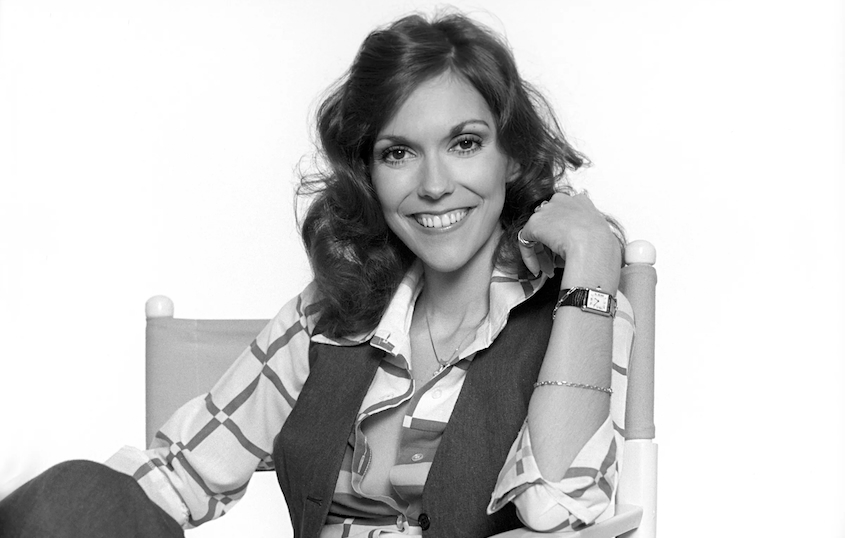
Although Ariana Grande is at the center of today's conversation, the debate surrounding her is far from new. Public attitudes toward women's bodies have shifted repeatedly over the decades, but one thing has remained remarkably consistent: they have rarely been treated as entirely private.
Karen Carpenter's death from complications related to anorexia nervosa in 1983 forced eating disorders into mainstream conversation while exposing how little the public understood about them. During the 1990s, fashion embraced the "heroin chic" aesthetic, turning extreme thinness into something aspirational. The early 2000s brought tabloids that tracked celebrities' weight from week to week, praising dramatic weight loss before criticizing the same women for looking "too thin." Beauty standards continued to change, but public scrutiny never really faded.
Social media didn't replace that culture, it expanded it. Instead of a handful of magazine editors deciding which photographs would be published, millions of people now participate in the same cycle of observation and commentary. A single image can generate thousands of opinions about someone's health, relationships, medication, or emotional state, often from people with no understanding of what is actually happening behind the scenes.
History suggests the conversation has always swung between two extremes: treating women's bodies as public entertainment or avoiding the subject altogether. Neither leaves much room for thoughtful discussions about health, compassion, or the pressures that continue to shape beauty standards. That may be why debates like the one surrounding Ariana Grande keep resurfacing. The faces change, but the questions rarely do.
When Privacy Meets Public Concern
Whether celebrities like it or not, they help shape the culture around them. Their images appear across social media, advertising campaigns, magazine covers, and fan accounts seen by millions of people every day. Research has consistently linked repeated exposure to idealized body standards with greater body dissatisfaction and appearance comparison, particularly among young people who are already vulnerable. That does not mean Ariana Grande, or any other public figure, is responsible for someone else's eating disorder, as these illnesses develop through a complex mix of biological, psychological, and environmental factors. However, it does mean that the bodies celebrated in popular culture become part of the beauty standards people measure themselves against.
Few public conversations capture the tension between compassion and privacy as clearly as this one. What began as a discussion about Ariana Grande's appearance quickly evolved into something much bigger, and dismissing every comment as body shaming overlooks the reality that some people were expressing sincere concern. Treating public speculation as compassion, on the other hand, risks turning another person's health into something the internet feels entitled to investigate.
There may never be a perfect answer, and perhaps that's the point. Society has become better at recognizing the harm caused by judging people's bodies, especially women's, and that progress is worth protecting. The next challenge is learning how to express concern without assuming we are owed an explanation, a diagnosis, or access to someone else's private life. Perhaps the goal was never to stop caring about one another, but rather to learn the difference between compassion and entitlement.
If you or someone you know is struggling with an eating disorder or concerns around food and body image, support is available through the National Eating Disorders Association (NEDA), ANAD (National Association of Anorexia Nervosa and Associated Disorders), and the 988 Suicide and Crisis Lifeline if you are in immediate emotional distress or experiencing a mental health crisis.
For more articles like this, visit our lifestyle news page!