Content
Recent Posts
What Does Your Skin Actually Need for Fall 2026?


The first cool morning of fall can make a richer moisturizer and new serum suddenly seem necessary. But skincare doesn't need to change just because the season does.
What can change is your skin. Cooler, drier air and indoor heating can contribute to moisture loss, leaving some people with tightness, flaking, or sensitivity. The American Academy of Dermatology recommends creams or ointments when skin becomes very dry and points to ingredients such as glycerin, hyaluronic acid, petrolatum, and dimethicone.
Meanwhile, fall 2026 brings plenty of products competing for a place in your routine. Barrier creams remain popular, retinal is getting attention, and ingredients such as PDRN and exosomes are feeding interest in "regenerative" skincare. So, what's actually worth buying?
Content
Your Moisturizer May Be the First Thing Worth Changing
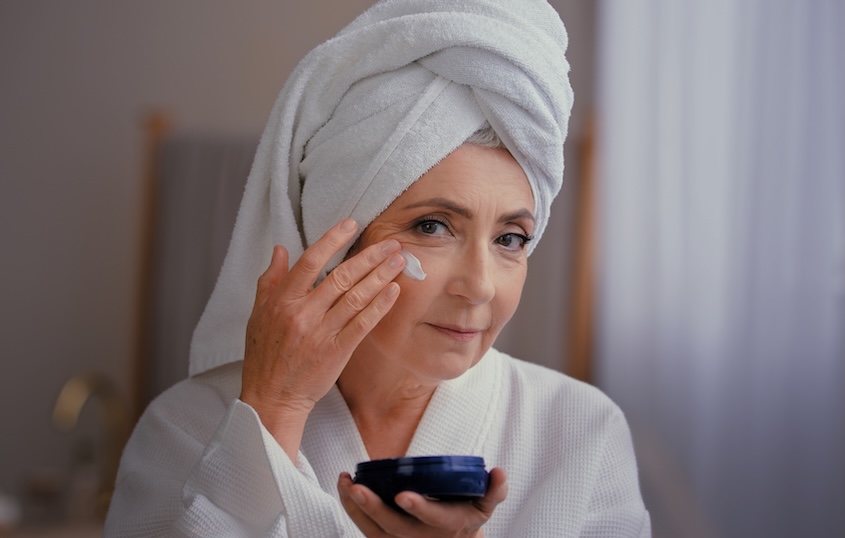
If your summer lotion suddenly isn't cutting it, moisturizer is the most logical seasonal switch. Ceramides, glycerin, petrolatum, and other moisturizing ingredients can help when skin starts feeling drier, but "barrier repair" on the label doesn't mean the product needs to be expensive.
Best overall: Prequel Barrier Therapy
At $18 for 10 ounces, Prequel Barrier Therapy offers standout value. The fragrance-free cream contains 1% colloidal oatmeal alongside ceramides, allantoin, fatty acids, and cholesterol, and can be used on both face and body. It's particularly useful for dry, irritated, or eczema-prone skin, and the large bottle makes regular use far less expensive than most facial creams.
Best drugstore staple: CeraVe Moisturizing Cream
CeraVe Moisturizing Cream combines three essential ceramides with hyaluronic acid, petrolatum, and dimethicone. The 16-ounce refill currently costs $17.99 and works on both face and body. Prequel adds colloidal oatmeal, while CeraVe is the simpler choice for everyday dryness.
Best splurge: Dr. Jart+ Ceramidin Cream
At $52 for 1.69 ounces, Dr. Jart+ Ceramidin Skin Barrier Moisturizing Cream combines five ceramides with panthenol and glycerin. The richer facial formula may appeal to someone who prioritizes texture and application experience, but basic barrier support doesn't require spending $52.
Our pick: Prequel offers the strongest combination of formula, quantity, and price.
Retinal Is Everywhere, but Should You Start It This Fall?
Retinal is one of 2026's bigger skincare ingredients, and unlike many trends, it belongs to the well-established retinoid family. But retinoids can cause dryness and irritation, which matters when colder weather may already be making skin drier. The AAD recommends introducing retinoids slowly and increasing frequency as the skin adjusts. Retinoids should also be avoided during pregnancy.
Best value for experienced users: The INKEY List Advanced 0.2% Retinal Serum
The INKEY List Advanced Retinal costs $22 for 15 mL and contains 0.2% encapsulated retinaldehyde. The brand positions it for experienced retinoid users, making it a strong value option for someone already comfortable with vitamin A products rather than a beginner chasing a trend.
Best lower-strength option: Peach & Lily Retinal For All
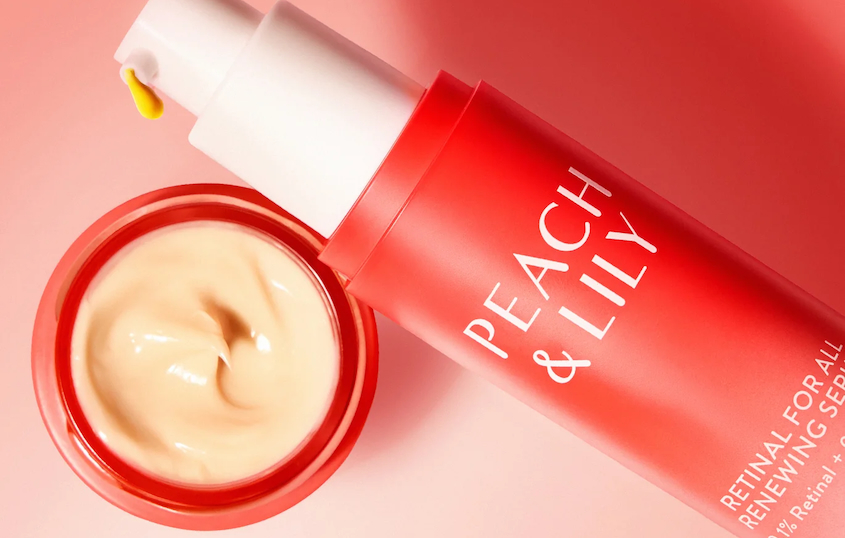
Peach & Lily Retinal For All costs $55 for 30 mL and contains 0.1% encapsulated retinal. Peach & Lily positions the formula around tolerability, but new users should still introduce it slowly since a lower concentration doesn't eliminate the possibility of irritation.
Best step-up system: Medik8 Crystal Retinal
Medik8 Crystal Retinal offers six strengths ranging from 0.01% to 0.24% retinaldehyde, with prices increasing alongside concentration. The structured progression is useful for someone committed to retinal long term, though considerably cheaper options exist.
Our pick: The INKEY List for experienced users on a budget. Beginners should prioritize tolerability over strength.
Dry Lips Don't Need an Expensive Treatment
The AAD recommends non-irritating lip balm or petroleum jelly for chapped lips, which raises a fair question about expensive lip treatments: what does paying more actually get you?
Best basic option: Vaseline Original Healing Jelly
Vaseline Original Healing Jelly uses petrolatum to help reduce moisture loss. It won't exfoliate, plump, or add color. For uncomplicated dryness, it doesn't need to.
Best for peeling lips: EADEM Le Chouchou
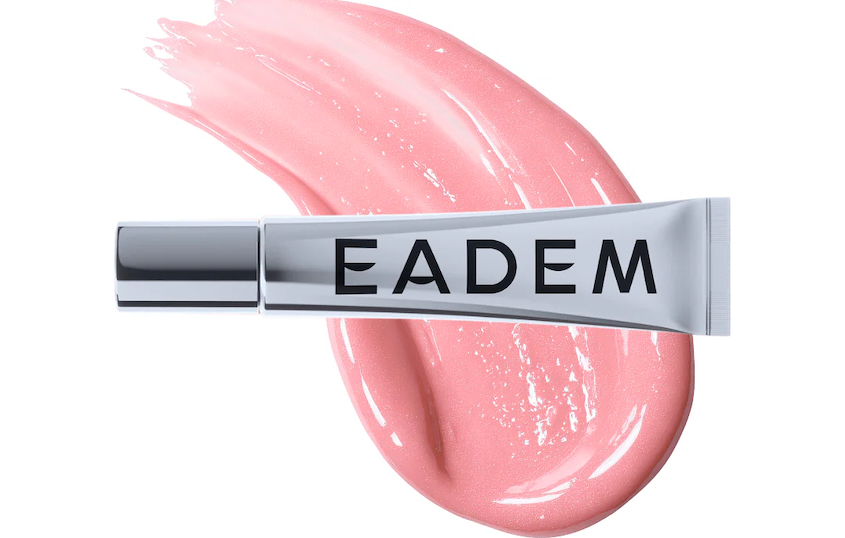
The $24 EADEM Le Chouchou Lip Softening Balm combines moisturizing ingredients with lactic acid and hibiscus enzymes for gentle exfoliation. That's a meaningful difference for flaky lips. If dryness is the only problem, petroleum remains the cheaper choice.
Best new fall option: Allies of Skin Peptint
The $28 Allies of Skin Peptint combines lip color and skincare in clear, peachy-pink, and neutral-brown options. It contains palmitoyl tripeptide-1 alongside conditioning ingredients. The peptide and plumping positioning isn't necessary for treating basic dryness, but the product makes more sense for someone who wants tint and treatment in one.
Our pick: Petrolatum for basic dryness and EADEM when peeling is the bigger concern.
Don't Forget the Skin Below Your Neck
Seasonal dryness doesn't stop at the jawline. Applying moisturizer while skin is still damp after bathing can help retain moisture, according to the AAD.
Best for very dry skin: La Roche-Posay Lipikar AP+MAX
La Roche-Posay Lipikar AP+MAX costs $22.99 for 400 mL and contains ceramide, niacinamide, glycerin, and shea butter. It's rich and intended for very dry or sensitive skin, with the added benefit of working on both face and body.
Best everyday option: CeraVe Daily Moisturizing Lotion
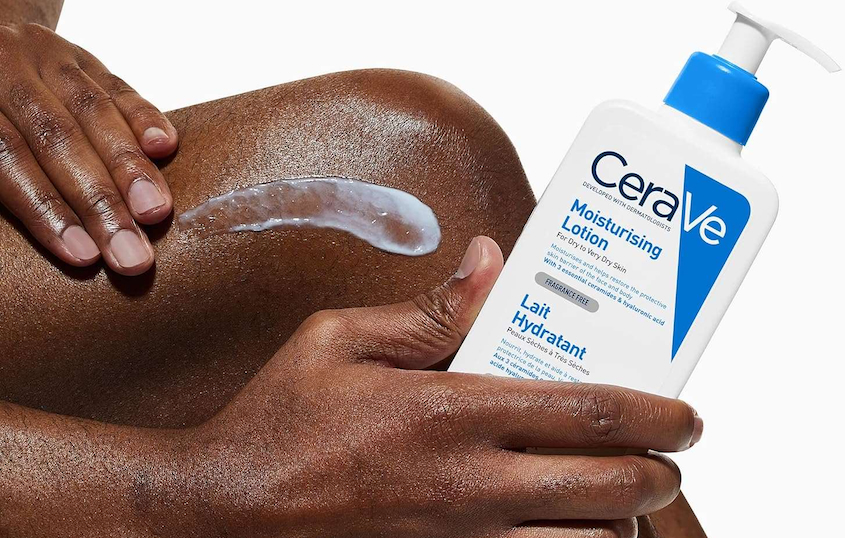
CeraVe Daily Moisturizing Lotion combines three essential ceramides with hyaluronic acid in a lighter formula. It's the better option for someone who wants daily hydration without the feel of a heavy cream.
Best for rough skin: La Roche-Posay Lipikar Urea 10%
La Roche-Posay Lipikar Urea 10% Roughness Smoothing Lotion costs $22.99 and targets dry, rough, and bumpy skin. Urea helps hydrate while higher concentrations can also soften rough texture, making this a more targeted choice for flaky areas, elbows, knees, or persistent bumps.
Our pick: Lipikar AP+MAX for significant dryness and Urea 10% when rough texture is also a concern.
Summer May Have Left Some Dark Spots Behind
Months of UV exposure can make hyperpigmentation more noticeable, but attacking it with several strong actives at once can increase irritation. A simpler approach starts with sun protection and one suitable treatment.
Best budget multitasker: The Ordinary Azelaic Acid 10%
The Ordinary Azelaic Acid Suspension 10% costs $12.20 for 30 mL.The AAD lists azelaic acid among ingredients that can help fade dark spots, and the ingredient is also used for acne and rosacea. The main drawback is its silicone-heavy texture, which some users report can pill.
Best vitamin C option: e.l.f. Bright Icon Vitamin C Serum
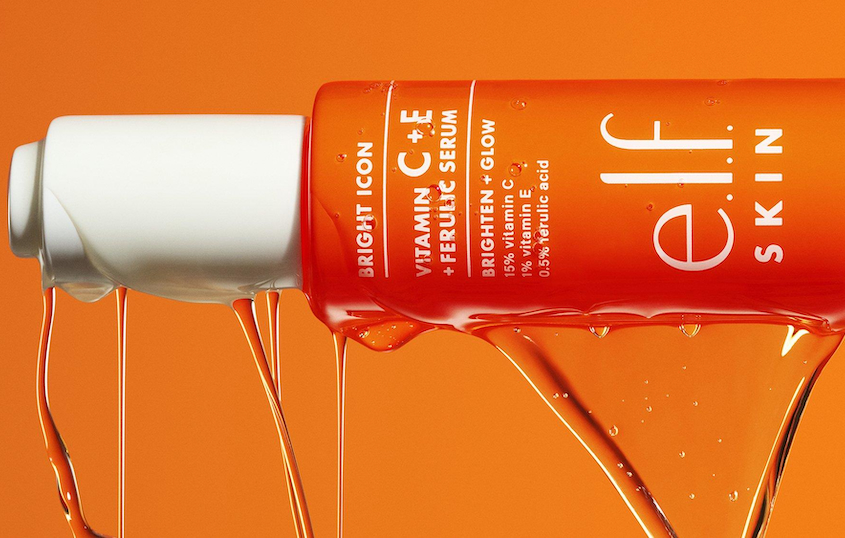
e.l.f. Bright Icon Vitamin C + E + Ferulic Serum costs around $17 and combines vitamin C with vitamin E and ferulic acid. Vitamin C is another ingredient the AAD lists for dark spots. The formula matters more than chasing the highest percentage, since vitamin C products differ considerably in stability and delivery.
Most important step: Keep using sunscreen
The AAD says dark-spot treatment begins with sunscreen. For hyperpigmentation, tinted broad-spectrum SPF 30+ containing iron oxide can also help protect against visible light. If your current sunscreen works, though, fall isn't a reason to replace it.
Our pick: Sunscreen comes first. The Ordinary makes a low-cost addition if azelaic acid suits your concerns.
Some Fall 2026 Skincare Trends Can Wait
PDRN, exosomes, and NAD+ are attracting plenty of attention as interest in "regenerative" skincare grows. But consumer interest and promising early research don't mean every topical product carrying these ingredients has proven its claims.
PDRN is a good example. Emerging research is promising, including recent work on topical formulations, but that doesn't establish that every PDRN serum offers the same results. Formula, concentration, and delivery matter.
Evidence for topical exosome skincare is less mature. A 2026 review found promising preclinical findings but limited human clinical evidence. NAD+ skincare is also attracting interest, but the case for spending heavily on topical products remains less established than it is for ingredients such as retinoids, vitamin C, and azelaic acid.
Even "barrier repair" can become excessive. Ceramides, glycerin, petrolatum, and colloidal oatmeal can be useful, but healthy skin doesn't need a barrier serum, cream, mask, and mist. Sometimes the basic moisturizer wins.
So, What Should You Actually Change for Fall?
Probably less than beauty marketing suggests. If your skin becomes tight or flaky, switching to a richer moisturizer is the most defensible seasonal purchase. Prequel Barrier Therapy stands out at $18, while CeraVe remains difficult to beat for straightforward moisture. La Roche-Posay Lipikar AP+MAX makes more sense when body dryness becomes significant.
Retinal shouldn't be added simply because it's trending, and post-summer pigmentation doesn't require several brightening products. Sunscreen plus one suitable active is a much simpler starting point.
And some of the best fall skincare may already be in your bathroom. Sunscreen still matters. Petrolatum still works on dry lips. Your moisturizer doesn't stop working because a newer product says "barrier" on the bottle.
If your current routine is keeping your skin comfortable, there may be nothing to change at all.
For more articles like this, visit our Lifestyle News Page!