Content
Recent Posts
Daisy Chain Fields & the Music Industry’s 30-Year Problem


Nearly 30 years ago, Lilith Fair was created partly to challenge a music industry that doubted whether audiences wanted to see women perform alongside other women. Last weekend, Olivia Rodrigo gave that old assumption another answer, although the fact that it still feels worth answering may be the more interesting story.
Rodrigo’s inaugural Daisy Chain Fields festival drew about 45,000 people to Great Park in Irvine, California, on August 29. The women-led lineup stretched across generations and genres, bringing together Chappell Roan, Doechii, Mitski, Bikini Kill, Garbage, The Breeders, Santigold, and Rodrigo, among others. Her headlining set pushed that connection further, with appearances from Sarah McLachlan, Stevie Nicks, and Alanis Morissette.
The festival was also a fundraiser rather than simply an unusually stacked concert. Performers waived their fees, and the event raised $10 million for 10 nonprofits supporting women and girls. Melinda French Gates then matched the amount, bringing the total to $20 million. The festival also included a philanthropy village where attendees could interact directly with participating nonprofits, giving the causes a presence beyond their names appearing on a donation list.
Content
Why Lilith Fair Still Matters Nearly 30 Years Later
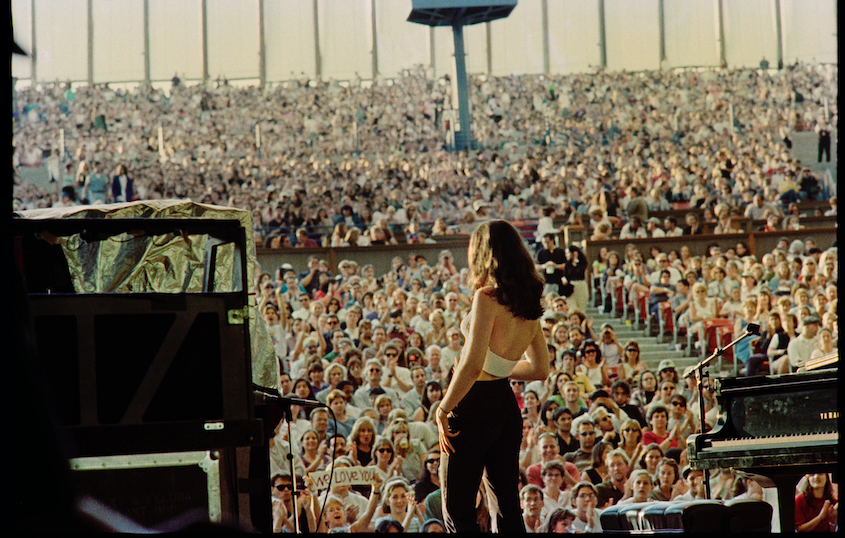
Rodrigo has openly cited Lilith Fair as a major inspiration for Daisy Chain Fields, and that connection carries more weight when looking at why Lilith Fair existed in the first place. Sarah McLachlan has recalled radio programmers saying they could not play two women back to back and promoters warning her that putting two women on the same concert bill would not draw an audience. Lilith Fair launched in 1997 and promptly undermined that logic. Its first tour grossed about $16 million, making it the top-grossing music festival of the year, according to Billboard. By the end of its original three-year run, it had grossed roughly $52 million.
The industry had its proof. Yet the numbers, nearly three decades later, make Daisy Chain Fields feel less like a nostalgic tribute and more like a reminder of unfinished business. Research group Book More Women found that women represented just 21.6% of musicians booked across nine major multi-genre U.S. festivals in 2025. The group said representation declined that year for the first time since it began tracking festival lineups in 2018.
So Why Are Festival Lineups Still So Unequal?
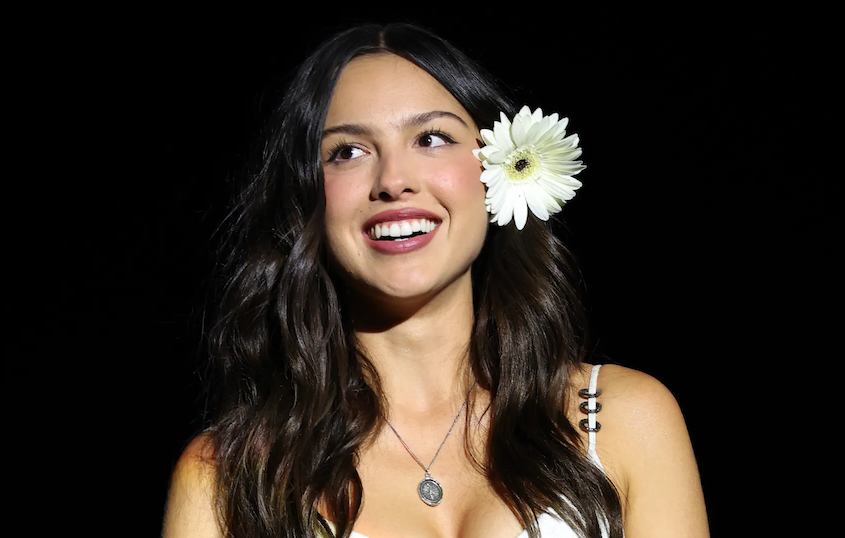
That makes it difficult to argue that the imbalance simply reflects what audiences want. Daisy Chain Fields sold out roughly 30 minutes after tickets went on sale, according to the Los Angeles Times. Lilith Fair was commercially successful almost 30 years earlier. Audiences have repeatedly demonstrated that they will show up. The more useful question is why festival programming has been so slow to reflect that demand.
Rodrigo also did more than assemble a lineup centered on women. Daisy Chain Fields connected artists whose careers span several eras of music, from Bikini Kill and Garbage to Mitski, Roan, Doechii, and Rodrigo herself. Its two stages alternated performances rather than forcing fans to choose between overlapping sets. Even the audience reflected that generational exchange, with younger fans embracing artists and influences that predate them by decades.
Not everything worked as well as the programming. The Los Angeles Times’ reporting from the festival described temperatures reaching 94 degrees, while other reports raised concerns about limited shade, water access, and the strain the heat placed on attendees. Those problems deserve scrutiny at an outdoor festival hosting tens of thousands of people, regardless of the cause behind it.
Still, Daisy Chain Fields made its larger point rather clearly. Lilith Fair proved in 1997 that a festival centered on women artists could sell tickets. Rodrigo and 45,000 attendees proved it again in 2026. Maybe the question after Daisy Chain Fields should not be whether an event built around women can succeed. It should be why, after nearly three decades of evidence, a festival like this can still feel like an exception.
For more articles like this, visit our Lifestyle News Page!