The Odyssey's IMAX Release Sparks Accessibility Debate


Christopher Nolan has built a career around convincing audiences that some movies deserve to be seen on the biggest screen possible. With The Odyssey, he has taken that philosophy further than ever before.
The director's adaptation of Homer's epic poem is officially the first feature film shot entirely using IMAX film cameras, a milestone that required years of collaboration between Nolan and IMAX to develop new camera technology capable of handling a production of this scale. For fans of filmmaking, it is a remarkable achievement. For IMAX, it represents a breakthrough that pushes its format from a tool used for selected scenes to the foundation of an entire feature film.
The achievement has become a major part of the movie's identity. Promotional materials and early coverage have emphasized that The Odyssey was designed from the ground up for the IMAX experience, allowing audiences in select theaters to see the film in its full expanded aspect ratio. It is exactly the kind of technical ambition that has become synonymous with Nolan, whose films have consistently pushed audiences toward premium theatrical experiences.
Yet as excitement surrounding the film grew, so did a very different conversation. Instead of focusing solely on the technology, many moviegoers began asking a more practical question: how many people will actually be able to experience the film the way it was intended?
Content
A Global Audience With Limited Access
The answer has become the source of much of the online backlash surrounding the movie.
While The Odyssey will be released in a wide range of formats, only a small number of theaters worldwide are capable of projecting the film in IMAX 70mm, the format most closely associated with Nolan's vision. Reports indicate that there are roughly 41 such venues around the world. For a global blockbuster expected to attract millions of viewers, that number is strikingly small.
The limitations become even more apparent when viewed geographically. Many countries do not have a single IMAX 70mm screen, while entire regions are served by only one qualifying theater. As fans began sharing maps of eligible locations online, discussions quickly shifted from excitement about the film to frustration about accessibility. For many people, seeing The Odyssey in its most celebrated format would require hours of travel, a domestic flight, or even crossing international borders.
That frustration has only grown as demand continues to surge. Advance ticket sales for IMAX screenings moved quickly, some venues reported record interest, and stories emerged of fans planning trips specifically around the opportunity to see the film on one of the limited number of qualifying screens. What was initially presented as a triumph of filmmaking technology gradually became a reminder that access to that technology remains highly uneven.
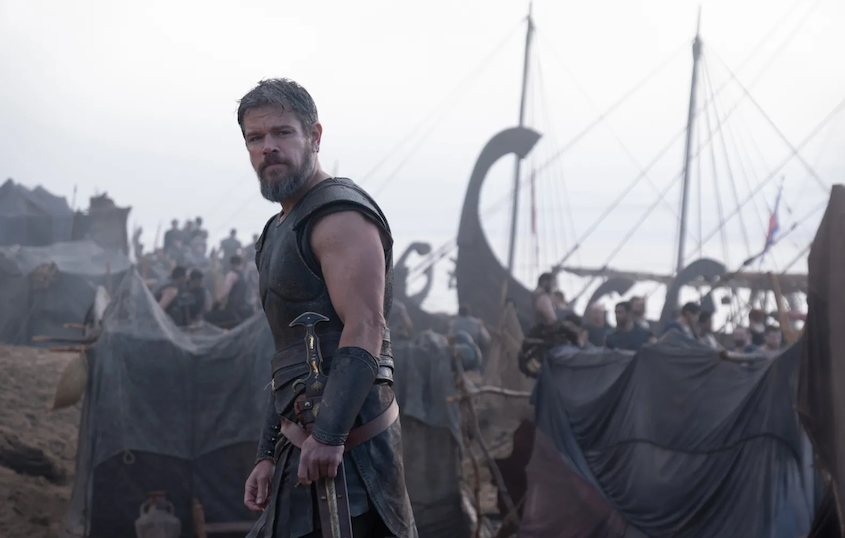
To Nolan's credit, he has not argued that audiences must see the film in IMAX 70mm to enjoy it. He has noted that the movie was carefully prepared for digital IMAX and other premium formats, and most viewers will ultimately experience the film outside its most exclusive presentation. Even so, the marketing surrounding The Odyssey has placed enormous emphasis on its IMAX credentials, creating a perception that there is a definitive version of the film that many fans may never have the opportunity to see.
According to an Associated Press report examining the production, Nolan and IMAX spent years refining the technology necessary to make an all-IMAX feature possible, highlighting just how central the format was to the project from the beginning.
The Growing Divide in Moviegoing
The debate surrounding The Odyssey extends beyond Christopher Nolan, IMAX, or even this particular film. It touches on a broader question about what moviegoing is becoming.
For decades, cinema was one of the most accessible forms of mass entertainment. While ticket prices and theater quality varied, audiences around the world generally watched the same film in largely the same way. The rise of premium formats has slowly changed that dynamic. Today, moviegoers can choose between standard screenings, premium large-format auditoriums, Dolby Cinema, digital IMAX, laser IMAX, and a handful of specialized film presentations that offer experiences unavailable almost anywhere else.
On one hand, these advancements have allowed filmmakers to experiment with image quality, sound, and scale in ways that would have been impossible a generation ago. On the other, they have introduced a growing divide between audiences who can access these experiences and those who cannot. Location, income, and travel costs increasingly influence not just where people watch a movie, but whether they can experience what is being promoted as the best version of it.
That is why the reaction to The Odyssey has resonated far beyond dedicated film circles. The criticism is not really aimed at Nolan's artistic ambitions. Few people are arguing that filmmakers should stop pursuing technical innovation. Instead, the backlash reflects a concern that some of the most celebrated cinematic experiences are becoming available only to a relatively small group of viewers.
There is no indication that Nolan intended to create an exclusive experience. In many respects, The Odyssey represents the kind of large-scale, ambitious filmmaking that audiences often say they want more of. Yet the conversation surrounding the film reveals an uncomfortable tension within modern cinema. As technology continues to push theatrical experiences forward, access does not always keep pace.
For some viewers, The Odyssey is a groundbreaking achievement that demonstrates what the future of filmmaking can look like. For others, it serves as a reminder that the future of cinema may not be experienced equally by everyone. That contrast has become one of the most fascinating stories surrounding the film, and it may remain part of the conversation long after audiences leave the theater.
For more articles like this, visit our lifestyle news page!