Content
Recent Posts
Netflix’s Warner Deal Could Rewrite Film Culture

In one of the most significant entertainment moves in decades, Netflix plans to buy Warner Bros for about 82.7 billion dollars. If regulators approve it, Netflix will gain control of a studio that shaped film history for more than a century, from Casablanca and The Exorcist to Harry Potter and Barbie. The cable channels will be separated before the sale closes, which is expected in late 2026 or early 2027.
Netflix frames the acquisition as a way to bring more films to viewers and expand its creative reach. Warner benefits financially while shedding its legacy cable burdens, creating a cleaner division between traditional TV and modern streaming operations.
Content
Why Warner Bros is Selling
Warner Bros Discovery restructured earlier this year, separating cable channels from its film and streaming operations. Once that split happened, the studio division became easier to acquire. Several bidders expressed interest throughout 2025, and Netflix was chosen after negotiations reopened toward the end of the year. Warner’s shareholders gain liquidity, and Netflix gains access to large-scale entertainment output.
What This Means for Theaters
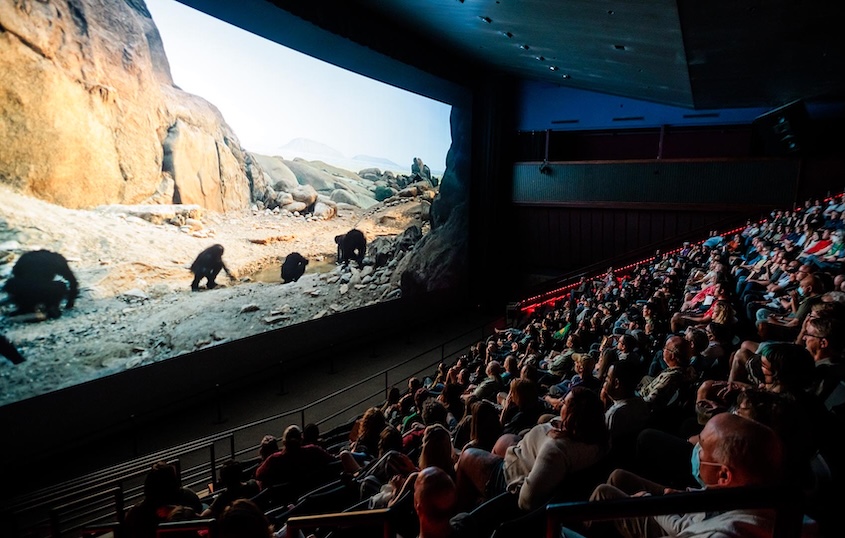
The biggest concern centers on theatrical releases. Netflix states that Warner films will continue to reach cinemas, but analysts expect gradual changes. The release window may shorten or disappear for certain titles, favoring streaming-first premieres. Smaller theater chains, which rely on large and varied lineups, could feel the pressure fastest.
For creative workers, fewer theatrical releases mean fewer opportunities for production. Theatrical distribution supports many roles that streaming models do not sustain at the same scale, and the volume of films available to show directly affects employment across exhibition and distribution.
Concerns About Access & Film History
The Warner Bros library is vast and significant. It includes cultural landmarks, niche titles, documentaries, early sound films, and works considered essential for academic study. Today, many of these are easy to rent, view on cable programming, or own on physical media.
Netflix rarely makes its catalog available on outside platforms. If that approach extends to the Warner library, entire portions of film history may become harder to access. That would matter to people who rely on residuals from rentals and reruns, as well as to students, archivists, and film fans who explore cinema beyond the mainstream.
Cultural Impact & Community Risks
Cinema has always been more than individual consumption. Shared screenings, campus film clubs, repertory theaters, and community events create space for discussion, discovery, and reflection. If access to Warner titles narrows, these gathering points become harder to maintain. Film scenes that rely on public platforms risk becoming isolated and confined.
Streaming gives reach, but it also turns viewing into a solitary act. When major libraries sit behind a single subscription, cultural memory becomes algorithmic. The Warner archive includes works that were never created to chase metrics. They were created to explore perspectives, document moments in time, or experiment artistically. If those films are sorted only by market value, their cultural relevance fades.
A closed system also affects who gets to learn. Students and researchers could face steep barriers to accessing foundational works. Entire eras of cinema could become difficult to examine, limiting how new generations engage with film history. This is not just about distribution. It is about whether cinema continues functioning as a shared cultural language or becomes a fragmented digital catalog.

Public Response & Growing Skepticism
Online reactions show frustration, anxiety, and distrust. Some people expect subscription prices to rise once the Warner catalog is absorbed. Others worry that DVDs and digital rentals will disappear for titles that are currently easily accessible. A common sentiment is concern that Netflix is treating the deal like a finished product, even though approval is still more than a year away.
The skepticism reflects a larger fear: that one company may gain outsized control over what films are available, where they appear, and how they are preserved.
Looking Ahead
If the deal is approved, it will shape more than release schedules or platform strategies. It may influence how people gather around films, how emerging artists find inspiration, and how future audiences access the stories that built cinema. Theaters could face reduced supply. Independent creators may see fewer chances to get their work made. And the communities that form around shared film experiences may grow more fragile.
The next two years will reveal whether Warner’s legacy remains a living resource for audiences and culture or becomes a catalog filtered through the priorities of one company.
For more articles like this, visit our lifestyle news page!