Crypto ATM Scams Surge Nationwide, Officials Warn

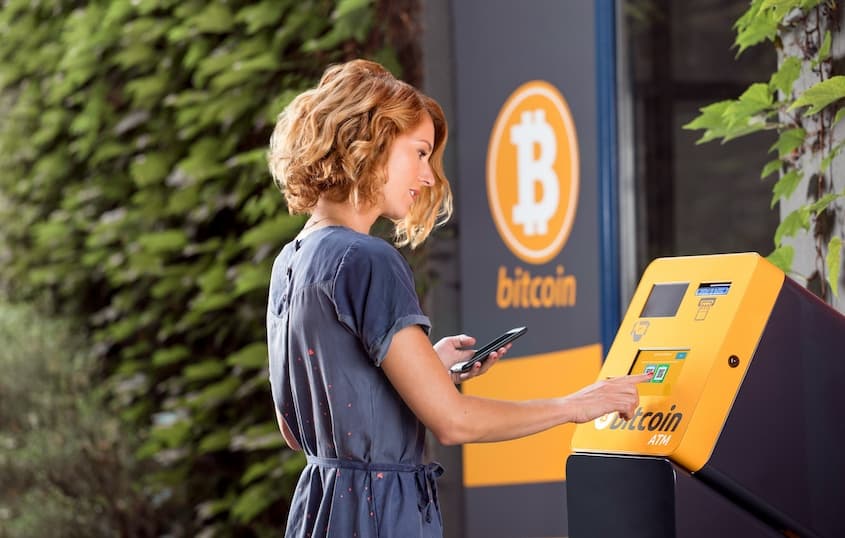
Cryptocurrency ATMs have quietly spread across gas stations, convenience stores, and shopping centers in almost every state, and many people barely notice them on the way to the counter. What feels like another digital convenience has turned into one of the fastest-growing tools for scammers, and regulators say the problem is accelerating.
These kiosks were originally designed to let people buy cryptocurrency using cash or a debit card, but criminals have figured out how to twist that purpose into a high-speed pipeline for fraud. With transactions that move instantly, cannot be reversed, and often cannot be traced, scammers are using these machines to drain life savings in a matter of minutes.
Scammers rarely start at the kiosk. They usually begin with a sudden message that feels urgent. It might be a cold call, a text, an email, a social media DM, or even a computer pop-up claiming something is wrong.
Victims are often told their bank account is frozen, a family member is in trouble, or legal action is coming unless they act immediately. Some scammers pretend to be government officials. Others pose as romantic interests or distant relatives. No matter the story, the goal is the same: create pressure so the victim feels they must move money right away.
Once that pressure sinks in, the instructions begin. The scammer tells the person to withdraw cash and head to a specific cryptocurrency ATM. They usually stay on the phone the entire time, guiding each step to prevent second thoughts.
At the machine, the victim feeds in the cash. The kiosk converts it to cryptocurrency and sends it to the wallet address provided. Victims think the instructions are coming from someone trustworthy, but the wallet always belongs to the scammer.
In many cases, the scammer sends a QR code to scan. This makes the transaction even faster and removes any chance for the victim to type in their own information. The moment the money hits the scammer’s wallet, it is moved again, making recovery nearly impossible.
Data from state and federal agencies shows how quickly the problem has grown. The Federal Trade Commission reports more than $100 million in annual losses tied to these machines, and states like Iowa say criminals are relying heavily on them because the transactions cannot be reversed. In Georgia, consumer advocates have seen Bitcoin ATM locations explode from a few thousand nationwide in 2020 to more than 30,000 today. The FBI’s Internet Crime Complaint Center recorded nearly 11,000 complaints tied to crypto ATM scams in 2024 alone, with losses approaching $247 million. Many of the victims are older adults who tend to trust unsolicited calls or feel pressured by urgent threats.
To stay ahead of these scams, it helps to keep a few simple rules in mind that can protect you or someone you care about:
- No legitimate business, bank, law enforcement agency, or government office will ever ask you to withdraw cash and send it through a cryptocurrency ATM
- Anyone who insists on secrecy or pressures you to act quickly is trying to prevent you from checking with someone who might recognize the scam
- If a situation feels urgent, slow down and verify the claim using a publicly listed phone number or official website
- Talk to someone you trust before taking any action involving money, withdrawals, or crypto ATMs
- If you think you have been targeted, stop sending money immediately and do not follow further instructions from the scammer
- Save all receipts, wallet addresses, QR codes, kiosk locations, and communication logs so you can report them
- Report the scam to the authorities as soon as possible
- Families, especially those with older relatives, should openly discuss these scams and establish a firm rule to never pay bills, fines, or fees through a crypto ATM
For more articles like this, visit our Lifestyle News Page!