Donald Trump Announces Plan to Roll Back Biden-Era Fuel Efficiency Standards

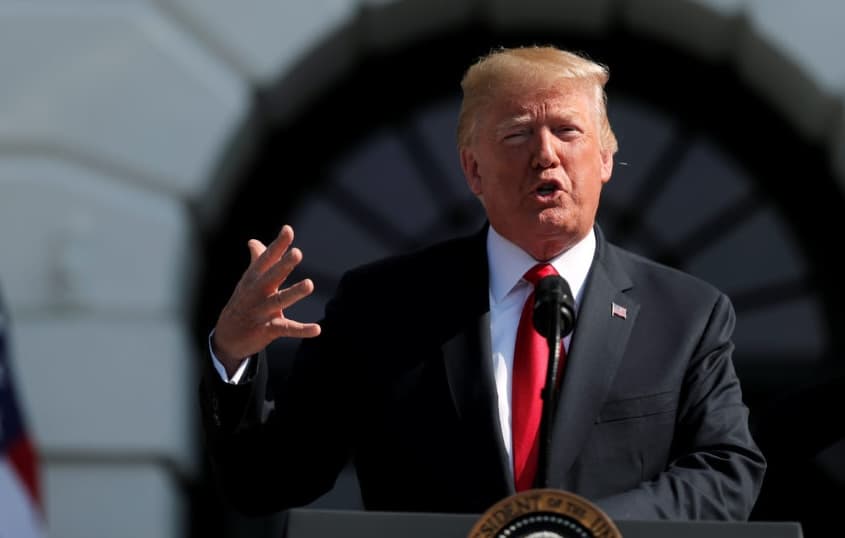
Donald Trump is moving to roll back the Biden administration’s fuel efficiency rules, setting up a major policy fight that will influence automakers, energy companies, and millions of drivers. His announcement signals a sharp shift in how the U.S. may handle emissions and vehicle standards if he follows through.
Trump called the current rules “too aggressive,” saying they raise vehicle prices, limit consumer choice, and push manufacturers toward electric vehicles faster than buyers are ready for. Biden’s standards require steep efficiency gains through 2032 to reduce emissions from passenger cars and light trucks.
Trump said he wants a “more reasonable” framework. He did not provide exact targets but made it clear he plans to ease annual improvement requirements and give automakers more flexibility. Experts say this approach would resemble the 2020 standards he created in office, which cut the Obama-era targets almost in half.
Fuel efficiency rules directly influence what Americans can buy, how much they spend on fuel, and how quickly the country shifts toward cleaner transportation. The Biden rules were designed to accelerate hybrid and EV production and lower long-term fuel costs while cutting emissions.
A rollback would have wide effects. Automakers, environmental groups, and state officials with their own emissions programs responded quickly to Trump’s announcement.
Automakers are split. Some welcome looser rules, saying they need more time and fewer penalties as they expand electric lineups. They argue that EV demand is growing but still inconsistent, making the current targets difficult to meet.
Others are cautious. Major manufacturers have already invested billions in EV development and set long-term emissions commitments. They warn that shifting the standards again could disrupt multi-year planning and weaken their ability to compete globally. Carmakers in Europe and Asia face tougher rules, and a U.S. slowdown could put domestic companies at a disadvantage.
Dealers have weighed in as well. Many say customers still prefer gas-powered trucks and SUVs. They worry that fast-rising efficiency requirements could push up sticker prices or force popular models off the market.]
Environmental groups sharply criticized Trump’s plan. They argue that easing the rules would increase carbon emissions at a time when transportation is the country’s largest source of greenhouse gases. They also note that the existing standards were crafted to save drivers money through lower fuel use. In their view, weaker rules benefit oil companies more than consumers.
States with strict emissions policies, including California, say they will not change course based on Trump’s announcement, which raises the possibility of another federal-versus-state clash similar to the one during his first term.
Policy analysts also pointed to global consequences. The U.S. could fall behind countries that are pushing automakers toward tougher efficiency and emissions requirements. A major rollback may slow EV adoption and give foreign competitors a stronger lead in new energy technologies.
Trump said his goal is not to stop EV development but to “give choice back to consumers” and reduce pressure on automakers dealing with inflation, supply issues, and uneven EV demand. He said companies should be free to build a mix of gas, hybrid, and electric models.
The final proposal is expected to outline new efficiency targets, a revised compliance timeline, and possible limits on states with stricter standards. Any changes must still go through the federal rulemaking process before taking effect.
For now, Trump’s announcement opens a significant policy battle that will shape the future of U.S. transportation. Automakers, states, environmental advocates, and drivers all stand to be affected as the debate over the country’s fuel efficiency path begins again. For more industry updates, visit our automotive news section.
For now, Trump’s announcement opens a significant policy battle that will shape the future of U.S. transportation. Automakers, states, environmental advocates, and drivers all stand to be affected as the debate over the country’s fuel efficiency path begins again. For more industry updates, visit our automotive news section.