Coffee Lovers, Your Heart May Be Fine With That Extra Cup


For anyone who has ever looked at their third cup of coffee and wondered whether it was one cup too many, the American Heart Association (AHA) has some reassuring news. A new scientific statement published in Circulation suggests that moderate coffee consumption is generally safe for most adults and may be associated with several heart and metabolic health benefits.
The AHA says consuming up to 400 milligrams of caffeine per day, roughly three to five 8-ounce cups of black caffeinated coffee, is generally considered safe for most adults. Regular coffee consumption has also been associated with a lower risk of coronary heart disease, stroke, heart failure, and Type 2 diabetes, adding to a growing body of research that has challenged coffee’s old reputation as something people should limit for the sake of their hearts.
However, this does not mean five cups of coffee should become a daily health goal. The scientific statement reviews existing research on caffeine and cardiovascular health rather than reporting the results of a single new clinical trial, and much of the evidence connecting coffee with better health outcomes comes from observational studies. Researchers can identify associations between coffee consumption and lower disease risk, but those findings do not prove that coffee itself caused the difference.
What coffee actually does to your heartbeat

Perhaps one of the more surprising findings involves atrial fibrillation, or AFib, a common type of irregular heartbeat. Coffee has often raised concerns because caffeine can make the heart feel as though it is beating faster or harder, yet the latest evidence does not suggest that moderate coffee consumption increases AFib risk. Randomized controlled trial data reviewed by the AHA found that caffeinated coffee decreased the risk of recurrent atrial fibrillation among regular coffee drinkers.
Looking at other types of irregular heartbeats complicates the picture. In the same randomized trial data, caffeinated coffee increased the frequency of premature ventricular contractions, or PVCs, which are early heartbeats that begin in the heart’s lower chambers. Taken together, the results suggest that caffeine can affect heart rhythm disturbances differently, rather than having one universal effect on the heartbeat.
The good news is mostly about coffee, not caffeine
One of the easiest ways to misread the new findings is to treat coffee and caffeine as interchangeable. Coffee contains hundreds of compounds beyond caffeine, and researchers have not established which components are responsible for the health associations seen across studies. Some of its bioactive compounds have antioxidant and anti-inflammatory properties that could contribute to the benefits researchers have observed.
The distinction becomes especially important with energy drinks and concentrated caffeine products. The American Heart Association cautions against applying research on ordinary coffee consumption to energy drinks, which can deliver much higher concentrations of caffeine. Higher doses, including those found in some energy drinks and energy shots, may increase the risk of high blood pressure and abnormal heart rhythms, while very high doses of caffeine have been associated with dangerous ventricular arrhythmias.
Your brewing method may change the equation
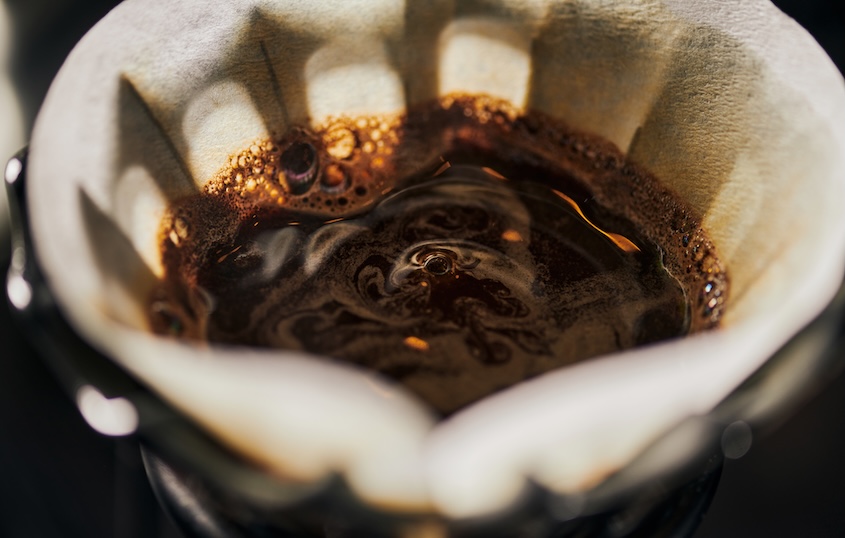
Even among coffee drinkers, how the coffee is prepared can change the picture. Unfiltered coffee contains compounds such as cafestol that can raise LDL cholesterol, meaning French press, boiled coffee, and other brewing methods that allow more coffee oils into the finished drink may have different cardiovascular effects than coffee brewed through a paper filter.
What goes into the coffee matters as well. The AHA’s three-to-five-cup guidance refers to regular black caffeinated coffee without added sugar, sweeteners, flavors, or other fillers. A cup of black coffee and a large flavored coffee may contain similar amounts of caffeine, but that does not make their broader nutritional profiles equivalent.
Five cups is a limit, not a goal

The 400-milligram figure is best understood as an upper amount considered generally safe for most adults, rather than an amount everyone should aim to consume. Caffeine tolerance can vary based on genetics, age, medications, health conditions, habitual caffeine use, and how quickly an individual metabolizes it. Someone who experiences jitters, sleep problems, or palpitations after one or two cups may respond very differently from someone who regularly drinks several.
Serving size can also make the three-to-five-cup estimate misleading at first glance. The American Heart Association is referring to 8-ounce servings, while many mugs and coffee-shop drinks are considerably larger and can contain far more caffeine than a traditional cup.
For coffee lovers, the takeaway is not that drinking more coffee will protect the heart. It is that moderate coffee consumption appears far less concerning for cardiovascular health than its old reputation might suggest, and for many adults, a few daily cups can fit within current heart-health guidance. The research may not provide a reason to start drinking coffee, but it gives people who already enjoy it a little less reason to feel guilty about pouring the next cup.
For more articles like this, visit our lifestyle news page!