Content
Recent Posts
Samsung TV Troubleshooting: Fixes for Common Problems

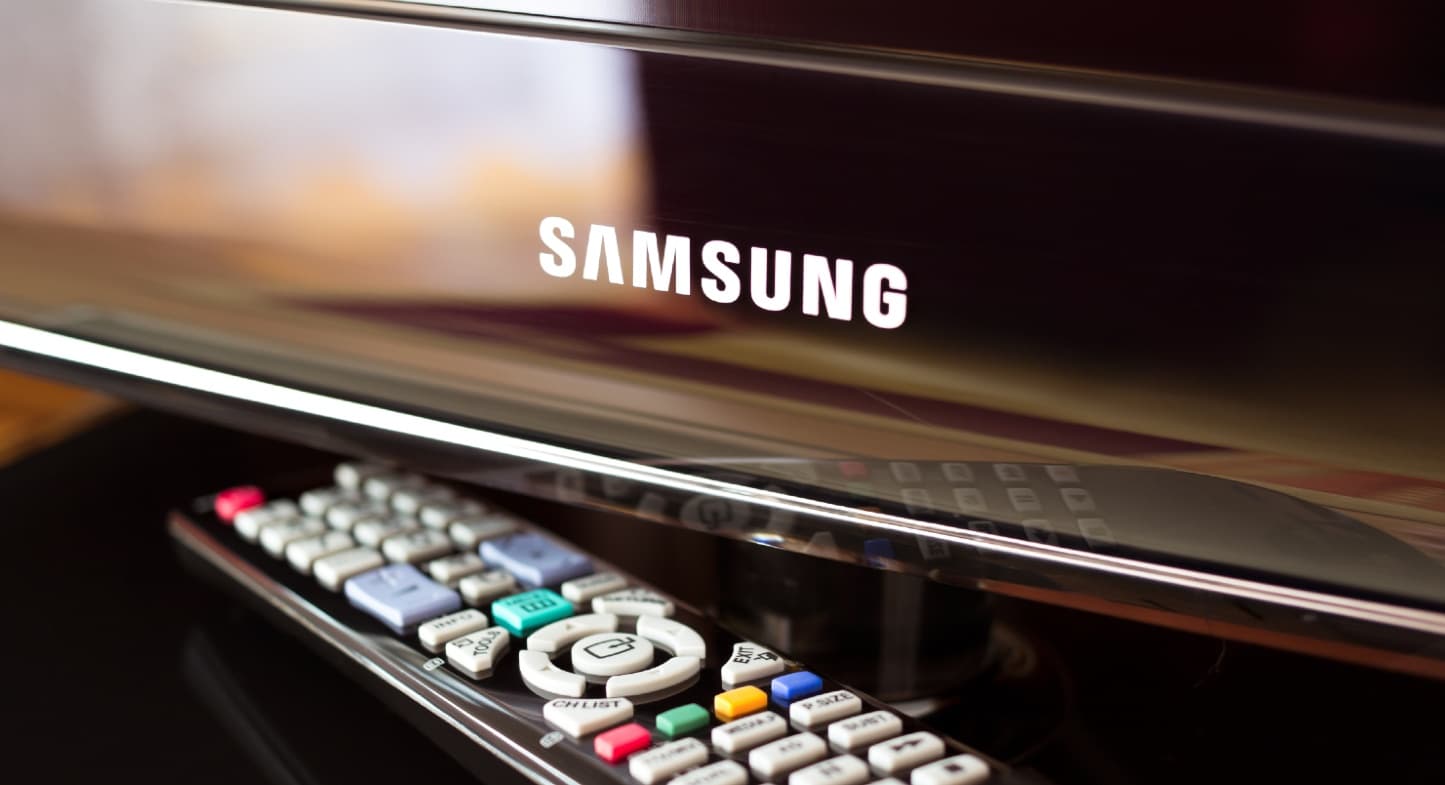
A blank screen, no sound, or a red standby light that keeps blinking can interrupt viewing and cause confusion. This guide walks you through practical Samsung TV troubleshooting steps to help you identify the issue and decide on the next step before contacting support or using your warranty.
Content
How to Set Up Your Samsung Smart TV
Before troubleshooting, confirm your TV is set up correctly. Turn on the TV using the remote or the physical button located on the right side or back of the TV on newer TVs. Press the Home button, open Settings, and adjust picture, sound, and general preferences. To connect to the internet, go to General and then Network and select your Wi Fi connection. You can also sign in to your Samsung account for registration and app access. If your TV uses a One Connect Box, confirm the invisible connection cable is firmly secured to both the TV and the connect box.
Basic setup steps:
- Turn on the TV using the remote control or physical button
- Press the Home button on the remote
- Open Settings
- Adjust picture, sound, game, and general settings
- Go to General, then Network to connect to Wi Fi
- Optional: Sign in to a Samsung account for registration
Quick checks before troubleshooting
Start with basic power checks before moving to deeper fixes.
- Test the power outlet with another device
- Plug the TV directly into the original outlet
- Temporarily remove any surge protector
- Inspect the power cord and power cable for damage
- Confirm cables are secure at the back of the TV
- Observe the standby light or red light and note if it is solid, flashing, or blinking
Common Samsung TV Issues
1. Black or blank screen
A blank screen usually points to a connection or power issue.
- Check that all HDMI cables are secure
- Try a different HDMI port
- Disconnect all external devices
- Reseat the invisible connection cable if using a One Connect Box
If the red standby light is blinking, unplug the TV from the power outlet, hold the physical power button for ten seconds, then plug it back in and power it on. If the screen remains blank, record the model number and serial number before moving forward.
2. Flickering screen or flashing image
Screen flickering or flashing often relates to power delivery or internal components.
- Perform a cold boot by unplugging the TV
- Remove the surge protector
- Plug the TV into the original outlet
- Confirm the power cord is fully connected at the back of the TV
If flickering continues after these steps, professional service may be required.
3. No sound
No sound can be frustrating when the picture works fine.
- Press the mute button on the remote
- Open Settings and go to Sound
- Confirm TV speakers are selected
- Disconnect Bluetooth devices
- Replace the HDMI cable if applicable
If the issue continues, perform a cold boot and test again.
4. Samsung TV will not connect to the internet
Internet issues affect Smart Hub and streaming apps.
- Confirm other devices have internet access
- Restart your router
- Go to Settings, then General, then Network
- Reconnect the Wi Fi network manually
If Smart Hub still fails to load, resetting it through Device Care may help.
If You Cannot Figure Out What Is Wrong
If the problem is not clear or the steps above did not fix it, Samsung TVs include built-in tools that can help narrow things down.
Use Samsung TV self-diagnosis tools
- Go to Settings, then Support, then Device Care
- Open Self Diagnosis
- Run the Picture Test
- Run the Sound Test
- Use HDMI troubleshooting
- Test the Smart Hub connection
- Reset Smart Hub if needed
You can also enable Remote Management to allow Samsung support to assist directly with troubleshooting.
Check software and warranty details
- Check for system updates
- Review the user manual for your specific model number
- Confirm the TV is registered
- Verify warranty coverage
- Keep the model number and serial number available
If the red standby light continues blinking after these steps, service repair is likely required.
When to contact Samsung support
Contact Samsung support if:
- The TV will not power on
- The standby light keeps flashing
- The screen stays blank after troubleshooting
- The One Connect Box shows no response
Takeaway
Samsung TV issues can feel disruptive, but most problems trace back to power, connections, or settings rather than hardware failure. Starting with proper setup and basic checks often saves you a lot of time and stress. Working step by step helps you rule out simple causes before moving to deeper fixes. Built-in self-diagnosis tools make it easier to test the picture, sound, and connectivity without guessing. When those tools do not resolve the issue, having your model number, serial number, and warranty details ready puts you in a better position when contacting support.
If your TV issues are tied to slow speeds or dropped connections, your internet service may be part of the problem. You can start by reviewing our list of top internet service providers to see which options fit your location and viewing needs. From there, use our comparison tool to narrow things down and explore our blog for deeper guides, tips, and updates.
FAQs
How do I reset my Samsung TV when it will not turn on?
If your Samsung TV will not turn on, start with a power reset. Unplug the TV from the power outlet, wait at least 30 to 60 seconds, then plug it back in and try turning it on using the remote or the physical button on the TV. This clears temporary power or standby issues. A full factory reset usually requires the TV to power on so you can access the settings menu.
How can I tell if my Samsung TV power board has failed?
A failed power board often shows clear signs. The TV may not turn on at all, the red standby light may blink or flash repeatedly, or the TV may click when you try to power it on. Some TVs turn on briefly and shut off again. In severe cases, there may be no standby light at all. These symptoms usually point to a power supply or power board issue.
What is the average life of a Samsung smart TV?
Most Samsung smart TVs last around seven to ten years with normal use. Lifespan depends on daily usage, brightness settings, power quality, and ventilation. Higher brightness levels and constant use can shorten the life of internal components over time.