Content
Recent Posts
Best Fiber Internet Service Provider


Fast internet used to be measured by how quickly a video loaded or a page refreshed. Today, internet speed supports work calls, large file uploads, cloud backups, smart home systems, video conferencing, and several devices running at the same time. As home internet carries more responsibility, reliability and consistency matter just as much as speed. That change is why fiber internet keeps coming up when people talk about dependable home connections.
In this blog, we walk through what fiber internet actually is, why it feels different from other types of internet, how pricing works, and what to expect from major fiber internet providers.
Content
What Fiber Internet Is & Why It Matters
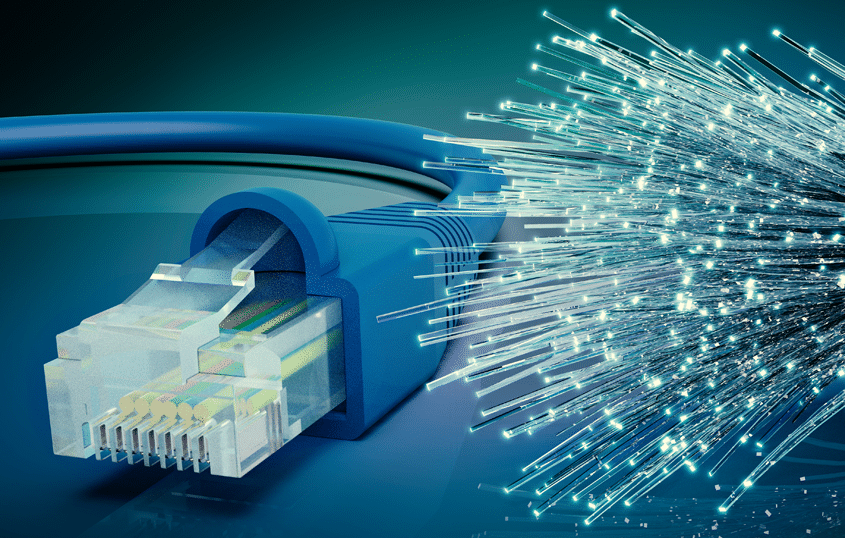
Fiber internet uses fiber optics, also known as optical fibers, made from strands of glass to send data as light signals. This optic technology allows data to travel at nearly the speed of light across long distances using fiber cables instead of copper cables or copper wires.
The technology behind it sounds complex, but the result is easy to notice. Data moves quickly, connections stay stable, and symmetrical download and upload speeds finally keep pace with each other. That balance alone can make everyday internet use feel more responsive for internet users and improve overall customer satisfaction.
Fiber connections rely on an optical network terminal, which converts light into usable data inside your home. Combined with a direct wired connection, this setup delivers better signal strength than many legacy broadband setups.
Why fiber feels different from other internet types
Most cable and DSL connections slow down when too many people are online at once. Fiber does not behave the same way.
With fiber, you usually get:
- Strong performance during peak evening hours
- Smooth video calls even while others stream or game
- Faster uploads for photos, videos, and cloud storage
- Lower lag for gaming and real-time tools
This is why fiber works well for households where several people rely on the internet at the same time.
Fiber compared to cable, DSL, and 5G
- Cable internet can still be fast, but uploads tend to lag behind downloads
- DSL is more limited and often struggles with modern usage
- 5G home internet can be convenient, but it varies widely by location and network congestion
Fiber stands out because it was built for modern internet habits, not adapted to them.
How Much Does Fiber Internet Cost?
Fiber internet typically costs more than basic cable or DSL, but the price gap has narrowed as fiber becomes more widely available. Most fiber plans now fall into clear pricing tiers, making it easier to know what you are paying for.
For most households, monthly fiber internet prices typically look like this:
- Entry-level fiber plans often range from $50 to $65 per month. These plans handle everyday browsing, streaming, and light work needs without trouble
- Mid-tier fiber plans usually cost between $70 and $90 per month. They are built for households with heavy streaming, gaming, remote work, and multiple devices online at once
- Multi-gig fiber plans can range from $100 to $150 or more per month. These plans target users who move large files, run advanced setups, or want the fastest speeds available
The final price depends less on fiber itself and more on how providers package their plans, including speed tiers, promotional pricing, equipment fees, and long-term rate changes.
What affects fiber internet pricing
Location and availability
Fiber infrastructure is still expanding. In areas where multiple providers operate, pricing tends to be more flexible.
Speed tiers
Higher speeds raise costs, especially for multi-gig plans that exceed standard household needs.
Equipment and installation
Some providers include installation and equipment. Others charge separately.
Contracts and promotions
Introductory pricing can look appealing, but long-term rates matter more.
When fiber is worth the cost
Fiber usually makes sense if:
- You work from home or upload large files
- Multiple users share one connection
- You rely on video calls or cloud tools daily
- You want stable performance rather than just speed
If your internet use is light, fiber may feel like more than you need. If your household depends on the internet, the difference becomes obvious quickly.
Best Fiber Internet Providers

AT&T internet
AT&T is one of the largest telecommunications companies in the United States, offering a wide range of services that include home internet, wireless plans, TV options, and business connectivity. For home internet customers, AT&T provides several connection types depending on location, including fiber, DSL, and fixed wireless. Their fiber service represents the higher end of their internet lineup and is available in select areas where fiber infrastructure has been built. Because AT&T operates their own network in many regions, service quality and availability can vary by address, but they remain a major provider for households looking for established infrastructure and long-term service options.
Features and services
- Symmetrical upload and download speeds
- Unlimited data on fiber plans
- Strong support for streaming and video calls
- Built-in security features on select plans
Plans and pricing
AT&T Fiber pricing falls into a predictable range based on speed tiers. Most customers pay between $50 and $120 per month for fiber internet, with entry-level pricing closer to the low end and higher speeds pushing toward the upper end of that range. These prices can vary somewhat depending on your location and any promotional pricing that may be running when you sign up. In many markets, the standard monthly rate becomes the ongoing price after introductory offers expire.
In some states or cities where fiber is newly available, introductory pricing may be more competitive, but the long-term rate still settles into the broader $50–$120 range.
Cox internet
Cox is a major internet service provider in the United States, serving residential and business customers across multiple states. They offer home internet through a mix of connection types, including cable and fiber, depending on the market. Cox is best known for their cable internet footprint, but they have expanded fiber service in select areas where infrastructure supports it. Their internet offerings are often bundled with TV and phone services, though standalone internet plans are also available. Availability, speeds, and pricing vary by region, making address-level service checks an important step for potential customers.
Features and services
- High-speed fiber connections in supported areas
- Integration with Cox’s broader service ecosystem
- Reliable performance for streaming and gaming
- Optional equipment and add-ons
Plans and pricing
Where Cox offers fiber service, monthly prices typically range from $60 to $140. The variation depends on the speed tier you choose and the local market. Entry-level fiber tends to stay toward the lower end, while faster options are at the higher end of the spectrum.
Pricing can differ by location because Cox’s service areas span many regions with different market conditions. In some areas, fiber pricing may look more aggressive due to local competition, while in others it may sit higher.
Frontier internet
Frontier is a telecommunications provider that offers home internet and phone services across a wide range of states, with a strong presence in suburban and rural markets. Historically, Frontier relied heavily on DSL, but in recent years, they have shifted focus toward expanding their fiber network. Fiber now represents a growing part of their service portfolio, especially in areas where older infrastructure is being replaced. Frontier’s offerings depend heavily on location, with some customers having access to modern fiber connections while others are served through legacy networks.
Features and services
- Symmetrical fiber speeds
- Straightforward service design
- Suitable for remote work and streaming households
- Growing fiber footprint in select states
Plans and pricing
Frontier’s fiber internet prices typically range from $50 to $130 per month. Lower prices are common for basic fiber connections, while higher prices apply to faster tiers that support heavy internet use.
Prices may vary depending on your location. In areas where fiber is newer, promotional pricing may temporarily lower the cost; however, standard rates still fall within the general $50–$130 range once the promotions end.
Google Fiber
Google Fiber is a home internet service created by Google with a focus on fiber-optic connectivity. Unlike traditional internet providers, Google Fiber offers a narrower range of services and operates in a limited number of cities. The company was built around a fiber-first model rather than upgrading older networks, which shapes how their service is structured and delivered. Where available, Google Fiber provides residential internet without bundling TV or phone services, keeping the offering focused on high-capacity, wired internet connections. Availability remains city-specific, with gradual expansion into new markets.
Features and services
- Straightforward speed tiers
- Symmetrical gig and multi-gig options
- No data caps
- Simple setup and billing
Plans and pricing
Google Fiber keeps pricing straightforward, with fiber options built around clear gigabit speed levels. Monthly pricing typically ranges from $70 to $150, depending on the speed available at your address.
At the entry level, Google Fiber offers 1 Gig service priced at $70 per month, delivering up to 1,000 Mbps for both downloads and uploads. Higher tiers include multi-gig service, with 3 Gig speeds priced around $100 per month, and the fastest option reaching 8 Gig, which costs $150 per month and supports extremely high-capacity internet use.
Pricing is generally consistent within each city where Google Fiber is available. Availability and speed options depend on location, but once service is offered, the monthly rates themselves remain stable across the market.
Final Thoughts
Fiber internet delivers faster uploads, steadier performance, and smoother daily use. It works best for households that rely on the internet for work, streaming, gaming, and shared connections. The cost can be higher, but pricing has become more reasonable as fiber expands. Availability still varies by location, which often matters more than the provider name.
AT&T, Cox, Frontier, and Google Fiber all approach fiber differently. Each focuses on reliability, speed, and modern internet needs without serving the same regions in the same way.
If fiber is available at your address and your internet use feels essential rather than optional, fiber internet is usually a step forward rather than just an upgrade.
Your choice of a fiber internet provider ultimately comes down to what matters most to you, whether that is consistent performance, long-term pricing, or availability in your area. Because fiber access and service quality can vary by location, taking time to compare providers side by side can help clarify what each one offers where you live. Reading detailed ISP reviews, using comparison tools to see how providers line up in your region, and exploring educational articles can also make the decision feel more grounded and less overwhelming.