Why Cocoa’s Price Slump Hasn’t Lowered Chocolate Costs

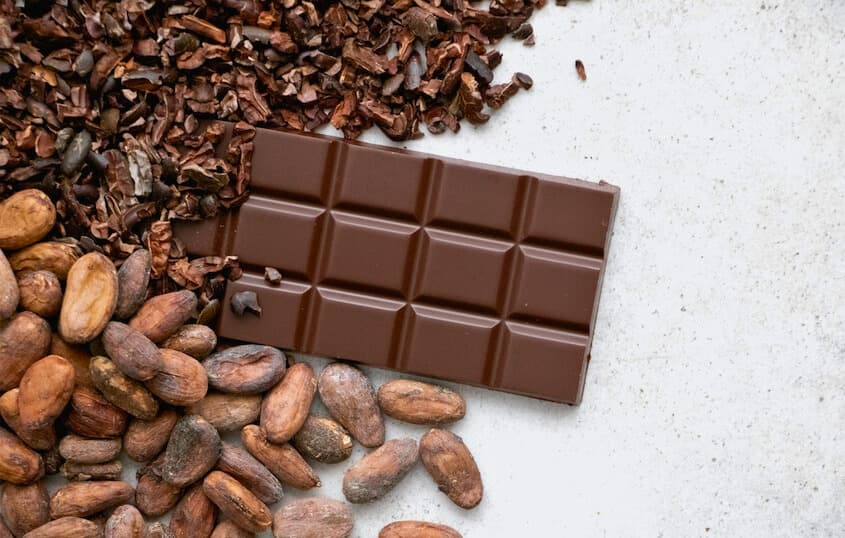
Cocoa prices may finally be calming down after a chaotic two years, but anyone hoping for cheaper chocolate is still waiting. Even with a dramatic 45% drop in cocoa prices since January, supermarket shelves remain filled with bars, biscuits, and hot chocolate mixes that cost noticeably more than they used to. It feels counterintuitive at first, although the gap makes more sense once you look at how the chocolate supply chain works, how pricing is locked in months ahead of time, and why companies are still grappling with the effects of the last price surge.
Cocoa traded at nearly $12,000 per ton at the end of 2024, the highest level ever recorded, a spike you can see in global market data from TradingEconomics. That spike followed years of disappointing harvests in the Ivory Coast and Ghana, which together produce about 60% of the world’s cocoa beans, a figure supported by agricultural analyses from the US Department of Labor. Ageing plantations, the swollen shoot virus, and lower fertiliser use all contributed to tight supply, and global demand continued to rise at the same time. Many smaller producers could not afford inputs until governments raised farm gate prices, which finally allowed farmers to invest in new trees and equipment. Improved weather helped too, and by mid-2025, output started to bounce back.
Once harvest expectations improved and speculation faded, cocoa futures fell hard. Prices quickly dropped to about $5,000 per ton, still roughly double the long-term average but far from last year’s peak. This should be good news for chocolate makers, yet the industry has not fully reaped the benefits. The simplest explanation is timing. The chocolate sold for Christmas 2025 was manufactured and priced months prior, when cocoa prices were still near their record highs. Companies buy ingredients through long contracts rather than daily spot prices, so the recent decline has not filtered through production budgets. Analysts say Easter products might be the first to reflect today’s lower cocoa price, but only if the market stays stable.
There is also the fact that cocoa was not the only cost that soared. Dairy, sugar, packaging, energy, and transport all became more expensive, and many companies are still paying those bills. Brands like Mondelēz, Nestlé, and Mars have reported higher operating costs across the board. Even smaller businesses feel the squeeze. The founder of Cocoba, a British gifting company, said they temporarily pulled their one-kilogram jars of chocolate buttons because they could not make the math work, even at forty pounds a jar. With cocoa still expensive by historic standards and other inputs elevated, manufacturers have raised prices, reduced pack sizes, or quietly lowered cocoa content to cope.
Consumers have noticed. UK shoppers are paying around 30% more for household favourites like Dairy Milk and Galaxy compared to 2023, and multipacks are shrinking as noted in pricing trackers published by The Guardian. Hot chocolate mixes have increased in price, and complaints are piling up on supermarket websites. People are buying less chocolate overall, which confirms that demand is softening after several years of price increases. Still, premium and specialty chocolate remain popular, especially single-origin products and treats bought for special occasions.
The cocoa market itself is going through a quiet reshuffle. West Africa is still the powerhouse, although Ecuador is pushing hard to grow its share and could even challenge Ghana in the next couple of years. At the same time, new farming standards in Europe and higher government-set prices for growers in Ghana and the Ivory Coast are changing how cocoa is bought and sold. These shifts are happening slowly, but they add costs along the way, which means chocolate is unlikely to return to the prices people remember before the 2024 spike.
So while cocoa is finally cheaper, the benefits have not reached shoppers yet. Chocolate companies are hopeful, but they say it will take a bit more time for the cheaper cocoa to work through their contracts and factories. If prices stay steady, Easter might be the first moment when shelves look a little more forgiving. Until then, the mismatch between falling cocoa prices and expensive chocolate is mostly a sign of a supply chain still catching its breath after a rough two years.
For more articles like this, visit our Lifestyle News Page!