Scarlett Johansson’s The Outset Shuts Down


Scarlett Johansson’s skincare brand, The Outset, is shutting down after roughly four and a half years in business, adding another famous name to the growing list of celebrities whose beauty ventures have come to an end. The brand announced the decision on September 28, telling customers it had decided to wind down operations. Shopping through The Outset’s website has ended, although orders already placed will still be processed.
What The Outset did not provide was a reason for the closure. That leaves a bigger question hanging over the announcement. The brand had one of Hollywood’s most recognizable faces behind it, millions of dollars in reported investment, a major Sephora rollout, and hundreds of thousands of social media followers. On paper, it had many of the advantages a young beauty brand could want. Its closure is worth looking at not only as the end of Johansson’s skincare venture, but as part of a beauty market where having a celebrity founder may no longer carry the same weight it once did.
The Outset started with plenty of momentum
Johansson launched The Outset with beauty and fashion executive Kate Foster Lengyel in March 2022. Instead of building a sprawling collection around Johansson’s celebrity, the pair focused on simple skincare designed with sensitive skin in mind. The original lineup consisted of five products priced between $32 and $54, including the Firming Vegan Collagen Prep Serum, which became one of the brand’s signature products. Over time, the collection expanded to include cleansers, moisturizers, serums, masks, and other skincare products.
There was serious money behind the idea as well. The Najafi Companies reportedly invested between $5 million and $10 million, with Beliade and Plus Capital also among its investors. Industry sources projected around $10 million in first-year retail sales when the company launched. Retail expansion came quickly, with The Outset entering roughly 500 Sephora stores within months of its debut. Its products were also sold through Nordstrom, Goop, Amazon, QVC, Revolve, and other retailers, giving the young brand access to customers well beyond Johansson’s existing fan base.
The relationship with Sephora did not last as The Outset eventually exited the retailer, although the company continued selling through other channels and developing new products. Leaving a major beauty retailer does not by itself explain why a brand later closes, but paired with the changes that followed, the move becomes a notable part of The Outset’s relatively short history.
The warning signs were already there
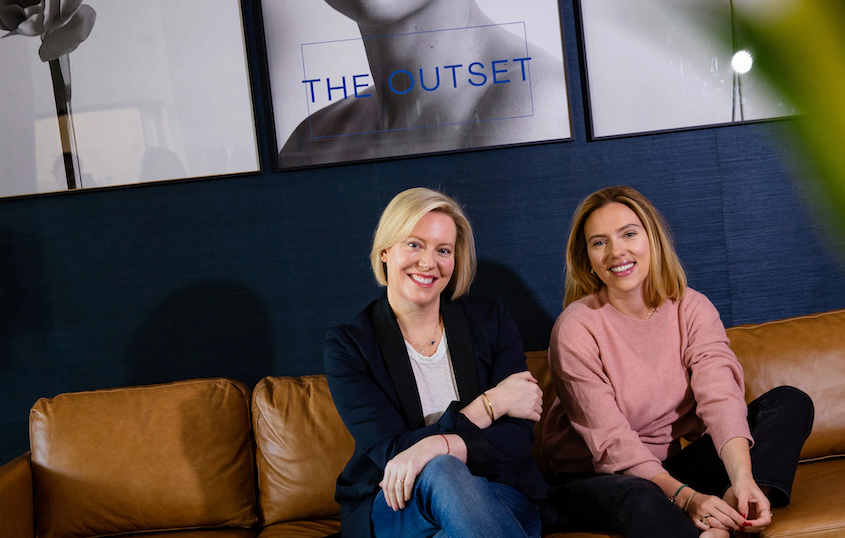
The Outset has not said that weak sales or financial problems caused the closure, so there is no confirmed explanation tying any single event to the decision. Still, the company experienced several significant changes during its final stretch. Foster Lengyel, who had served as CEO since the brand’s beginning, departed in April 2025. Karen Raghavan, formerly president of Allies of Skin, stepped in as fractional CEO in May 2026 but remained in the position only through August.
The brand also began offering steep discounts shortly before announcing the shutdown. Its end-of-summer sale included discounts of up to 50%, according to Beauty Independent. Yet the closure did not look inevitable from the outside. The company was still introducing products in 2026 and remained active on social media shortly before the announcement. Beauty Independent reported that The Outset had about 438,000 Instagram followers and nearly 610,000 TikTok followers at the time of the closure.
Those numbers do not tell us whether the business was profitable, but they do make the shutdown harder to dismiss as the quiet disappearance of an unsuccessful celebrity side project. The Outset had built a recognizable brand, secured national retail distribution, attracted outside investment, and maintained a substantial online audience. Something was clearly changing within the company, even if the exact reason it ultimately became unsustainable has not been made public.
Celebrity beauty is becoming a tougher business
The Outset is not the only celebrity-backed beauty company to disappear recently. Gwen Stefani’s GXVE Beauty shut down earlier this year after launching in 2022, while Drew Barrymore’s Flower Beauty ended its run in 2025 after more than a decade in business. Kate Moss’s wellness and beauty brand Cosmoss also entered liquidation proceedings in 2025. Taken together, the closures raise questions about whether the wave of celebrity beauty brands that flooded the market over the past several years is becoming harder to sustain.
That does not mean consumers have stopped spending on beauty. U.S. prestige beauty sales reached $36 billion in 2025, rising 4% from the previous year, according to Circana. Prestige skincare sales also increased 3%. Growth continued into the first quarter of 2026, when prestige beauty sales increased another 6% and mass-market beauty sales rose 7%. The problem, then, is not necessarily that consumers have lost their appetite for skincare and cosmetics. They simply have far more choices competing for the same money.
What shoppers are buying may be changing as well. Clinical skincare brands accounted for more than a third of prestige skincare dollar sales during the first quarter of 2026, according to Circana, suggesting strong demand for products marketed around ingredients, research, and measurable skin concerns. Korean beauty has also gained a larger foothold in the U.S., bringing shoppers extensive product selections at a wide range of prices. Fashionista pointed to that changing environment in its coverage of The Outset, noting the growing appeal of ingredient-focused skincare and lower-priced Korean products.
When celebrity is no longer the selling point
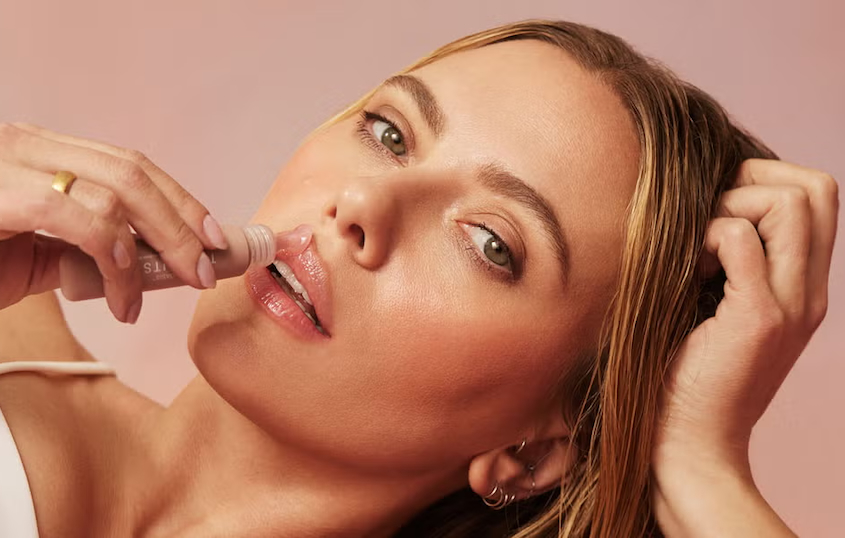
The interesting part of The Outset’s story is that Johansson appeared to understand the limits of celebrity branding from the beginning. Her name was attached to the company, but the products themselves did not carry her name, and the branding leaned toward understated, minimalist skincare rather than Hollywood glamour. The company wanted consumers to see The Outset as a skincare brand that happened to have Scarlett Johansson as a founder, rather than simply another celebrity merchandise line.
Its investors expressed a similar idea. When the company launched, Najafi Companies founder Jahm Najafi spoke about wanting to back businesses that could stand on their own rather than relying solely on a celebrity name. Four years later, that goal offers an interesting way to look at the brand’s closure. The Outset had Johansson’s visibility, outside investment, retail access, media attention, and a sizable social following, yet those advantages were not enough to keep the business operating.
That does not mean celebrity beauty is disappearing. Brands such as Rare Beauty, Fenty Beauty, and Rhode have shown that a famous founder can still help build a major beauty business. Their success also makes The Outset’s closure more revealing. The question is no longer whether “celebrity” sells. It clearly can. The harder question is what separates the celebrity brands that become lasting beauty businesses from those that struggle once the initial attention fades.
The Outset’s closure does not give us a definitive answer, particularly because the company has not disclosed what ultimately drove the decision. What it does show is how little room there may now be for a beauty brand to rely on recognition alone. Johansson’s name helped The Outset get noticed, major retailers helped put it in front of shoppers, and investors helped finance its growth. In an increasingly crowded skincare market, getting onto the shelf was only part of the challenge. Giving customers enough reason to keep choosing the brand appears to be the much harder part.
For more articles like this, visit our Lifestyle News Page!