Content
Recent Posts
Ramadan 2026 Expected to Begin Feb. 18 in the U.S.


Muslims across the United States are preparing for the start of the holy month of Ramadan, observed by millions of American Muslims and communities worldwide.
Ramadan is the ninth month of the Islamic calendar, which follows the cycles of the moon rather than the Gregorian calendar. In 2026, the month of Ramadan is expected to begin at sunset on Tuesday, February 17, with the first day of fasting observed on Wednesday, February 18.
As in every year, the official start depends on the sighting of the crescent moon. Islamic authorities and local committees will look for the crescent after sunset that evening. If it is not visible, Ramadan may begin the following evening.
Content
Moon Sighting & the Start of Ramadan
The sighting of the moon marks the beginning of Ramadan, following a tradition rooted in the teachings of the Islamic prophet Muhammad.
The new moon is expected to be born on February 17, making visibility possible that evening in parts of North America. Because visibility varies, mosques may confirm the start shortly after Maghrib prayer.
Some communities follow local sightings, while others follow global confirmations, including reports from Saudi Arabia. Al Jazeera explains how moon sightings determine the start of Ramadan worldwide.
When the announcement arrives, messages of “Ramadan Mubarak” and “Ramadan Kareem” begin circulating. Both greetings express blessings and goodwill for the holy month, marking its spiritual arrival for families and communities alike.
Why Ramadan Shifts Each Year
Ramadan moves earlier each year because the Islamic lunar calendar is about 11 days shorter than the solar year used in the Gregorian calendar. This means the days of Ramadan cycle through the seasons over time — a pattern Muslims experience as the holy month shifts each year.
What Ramadan Represents
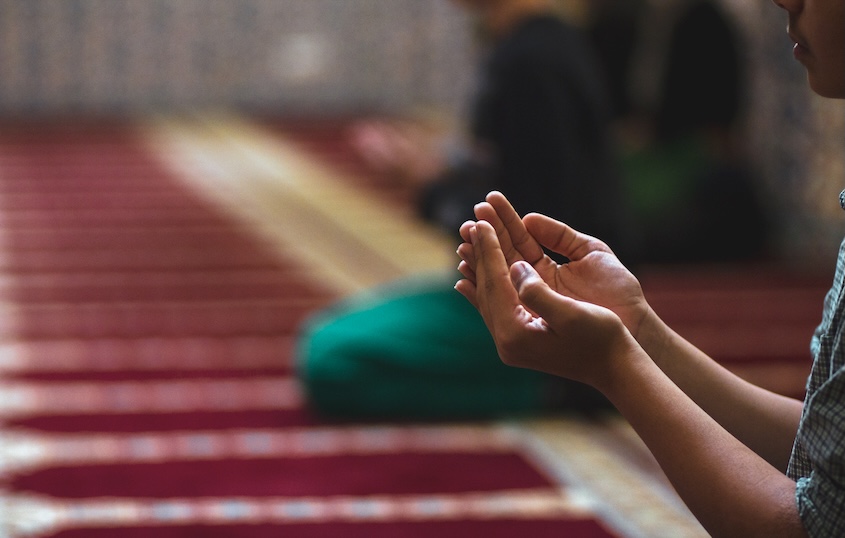
Ramadan is one of the Five Pillars of Islam and a time of fasting, prayer, and increased devotion. From dawn until sunset, adult Muslims abstain from food and drink. Fasting begins before sunrise and ends at sunset.
The holy month emphasizes:
- Spiritual growth
- Devotion and self-discipline
- Recitation of the Qur’an
- Giving Zakat, the required annual charity in Islam
- Supporting those in need
Many believers seek increased spiritual rewards and deeper reflection throughout the month.
Fasting Hours Across the United States
Fasting begins before dawn and ends at sunset. Because of regional differences in daylight hours, fasting times vary across the country.
On the first day, fasting will last approximately:
- New York City — about 12 hours
- Chicago — about 12 hours 15 minutes
- Houston — about 12.5 hours
- Los Angeles — about 12 hours 45 minutes
- Seattle — just over 13 hours
As Ramadan progresses, dawn arrives earlier, and sunset arrives later, gradually extending fasting time.
What Suhoor & Iftar Mean
Two daily meals structure the fasting day.
Suhoor is the pre-dawn meal eaten before fasting begins. It helps sustain energy and hydration throughout the day.
Iftar is the meal eaten at sunset to break the fast. Many begin with dates and water, following the practice of the Prophet.
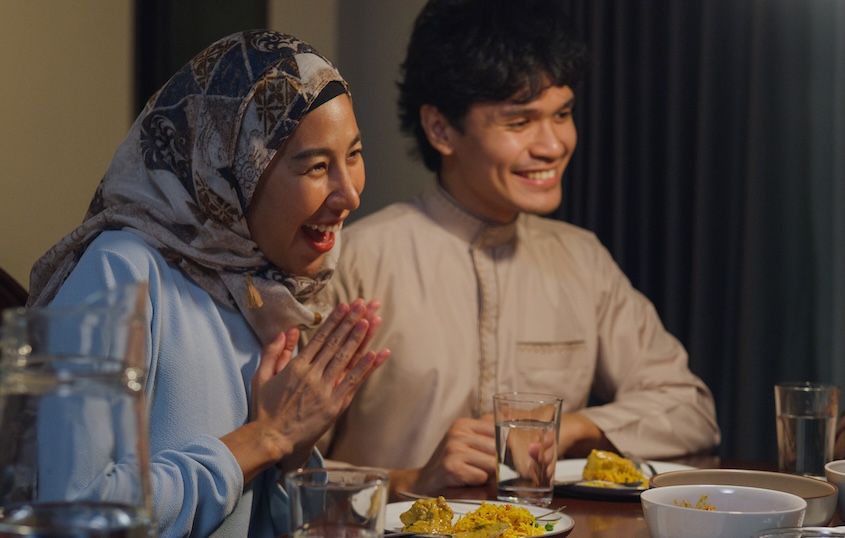
Families often gather at home or at the mosque for iftar, making it both a spiritual and social gathering.
Approximate Suhoor & Iftar Times for Feb. 18
Muslims should follow local mosque timetables, but the first day will fall close to:
New York City
- Suhoor ends: 5:32 AM
- Iftar: 5:47 PM
Chicago
- Suhoor ends: 5:42 AM
- Iftar: 5:57 PM
Houston
- Suhoor ends: 5:49 AM
- Iftar: 6:20 PM
Los Angeles
- Suhoor ends: 5:21 AM
- Iftar: 5:49 PM
Seattle
- Suhoor ends: 5:29 AM
- Iftar: 5:45 PM
Local mosques and Islamic centers provide daily timetables for precise prayer and fasting times.
What Newcomers Should Know About Ramadan
For those observing Ramadan for the first time, the experience can feel both spiritual and practical. Fasting runs from dawn to sunset each day. Planning meals, hydration, and sleep becomes essential.
Common tips include:
- Eat a balanced suhoor to maintain energy
- Stay hydrated during non-fasting hours
- Pace caffeine intake to avoid headaches
- Adjust sleep around early mornings and late prayers
- Be patient as the body adapts during the first few days
Many mosques host community iftars that welcome newcomers and help build connections.
The Atmosphere as Ramadan Begins
In Muslim communities across the U.S., the days leading up to Ramadan carry anticipation and reflection. Mosques prepare extended prayer schedules, families shop for dates and staple foods, and community groups organize food drives and shared iftars. Homes often become quieter and more reflective.
The Night of Power & Its Significance
During the last ten nights of Ramadan, Muslims seek Laylat al-Qadr, known as the Night of Power. It commemorates the night the first verses of the Qur’an were revealed to the Prophet Muhammad. Islamic tradition describes it as a night more rewarding than a thousand months of worship.
Because its exact date is unknown, many believers increase prayer, reflection, and charity during the final nights of Ramadan.
Breaking the First Fast
The first iftar is often simple and restorative. Many begin with dates and water, then move to light foods that help the body recover after a day of fasting.
Soups such as lentil, vegetable, or chicken broth are common starters. Balanced meals may include rice with grilled chicken, baked fish, or stewed meats alongside roasted vegetables and fresh salads.
Comfort foods from different cultures often appear on the table, including stuffed grape leaves, kibbeh, samosas, or other savory pastries. Others prefer lighter options such as grain bowls, hummus with warm bread, yogurt with fruit, or smoothies. Hydrating foods and lighter portions can help ease the body into the first nights of fasting.

Looking Ahead to Eid Al-Fitr
Ramadan lasts 29 or 30 days, depending on moon sightings. The conclusion of Ramadan will be marked by Eid Al-Fitr, expected around March 19 or 20, 2026, pending the next crescent sighting. The celebration begins with morning Eid prayers at mosques and continues with gatherings, meals, and charitable giving.
For more articles like this, visit our lifestyle news page!