Heart Risks May Rise the Longer Patients Stay Off GLP-1s


GLP-1 drugs have become closely tied to weight loss, so much of the conversation around stopping them has focused on one consequence: the weight may come back. New research points to another concern that is much harder to see. People with type 2 diabetes who stopped taking GLP-1 drugs were more likely to experience major cardiovascular events than those who stayed on treatment, according to a large study published in BMJ Medicine. The longer patients remained off the medication, the greater the difference became.
After two years without treatment, patients had a 22% higher relative risk of heart attack, stroke, or death compared with those who continued taking GLP-1s. The findings have gained renewed attention as questions grow around what happens when people stop medications such as Ozempic and Wegovy. As Axios reported, cost, side effects, and other barriers can push patients to discontinue treatment even as research suggests some of the metabolic and cardiovascular benefits may fade once the medication is stopped.
The Heart Benefits Did Not Disappear All at Once
The BMJ Medicine study analyzed health records from 333,687 U.S. veterans with type 2 diabetes. Of those, 132,551 started GLP-1 receptor agonists and 201,136 started sulfonylureas, another class of diabetes medications. Patients were followed for up to three years, with researchers checking GLP-1 treatment status every six months to examine how continuous use, discontinuation, and interruptions were associated with cardiovascular outcomes.
Patients who stayed on GLP-1 therapy throughout the three-year period had the strongest results. Compared with the sulfonylurea group, continuous users had an 18% lower risk of major cardiovascular events, which researchers defined as heart attack, stroke, or death from any cause. According to Washington University School of Medicine, that difference translated to roughly four fewer major cardiovascular events for every 100 people treated continuously over three years.
The pattern began changing relatively quickly once treatment stopped. Compared with people who continued taking GLP-1s, those who had discontinued treatment for six months had a 4% higher risk of major cardiovascular events. The difference increased to 14% after one year off treatment and 22% after two years. Rather than disappearing immediately, the cardiovascular advantage associated with treatment appeared to weaken progressively the longer patients remained off the medication.
Stopping May Affect More Than the Number on the Scale
Weight regain after stopping GLP-1 treatment has received plenty of attention, but researchers say visible changes in weight may tell only part of the story. Senior study author Dr. Ziyad Al-Aly said patients can also experience a return of inflammation, higher blood pressure, and worsening cholesterol after discontinuing treatment. These changes could help explain why cardiovascular protection weakens after treatment ends, although this study was not designed to determine the biological mechanism behind the association.
That distinction matters because GLP-1 drugs do more than reduce appetite and promote weight loss. The class was originally developed to treat type 2 diabetes, and certain GLP-1 medications have demonstrated cardiovascular benefits in people at elevated risk. Semaglutide is sold under brand names including Ozempic and Wegovy, while tirzepatide, which acts on both GIP and GLP-1 receptors, is sold as Mounjaro and Zepbound. The growing research around discontinuation raises the possibility that some health improvements associated with these medications depend on continued treatment rather than simply reaching a target weight and stopping.
Other research points in the same direction. Weight regain is common after discontinuation, while improvements in blood sugar and other cardiometabolic risk factors can also begin to fade. This makes stopping treatment a larger health question than whether someone can maintain the weight they lost.

Taking a Break and Restarting Did Not Produce the Same Results
The researchers also examined patients who temporarily stopped GLP-1 treatment and later resumed it. About 23% of GLP-1 users had an interruption lasting at least six months before restarting, while roughly 26% discontinued treatment during follow-up. This allowed researchers to look beyond a simple comparison between people who stayed on treatment and those who stopped permanently.
Restarting appeared to restore some cardiovascular protection, but the results were not as strong as those associated with uninterrupted treatment. People who remained on GLP-1s for the full three years had an 18% lower cardiovascular risk compared with the sulfonylurea group, while those who interrupted treatment and later resumed averaged a 12% reduction. Longer interruptions were also associated with progressively higher cardiovascular risk compared with continuous use, suggesting that repeatedly moving on and off treatment may matter.
That finding makes the study relevant to people who do not necessarily intend to stop GLP-1 therapy permanently. Patients can experience gaps in treatment because of cost, insurance changes, side effects, drug availability, or other barriers. If uninterrupted treatment is associated with stronger cardiovascular protection, maintaining access could become an increasingly important part of long-term GLP-1 care.
Many Patients Already Struggle to Stay on GLP-1s
The problem is that remaining on these medications long term is not always easy. Gastrointestinal side effects such as nausea, vomiting, diarrhea, and constipation can lead some patients to stop, while the cost of treatment can create another barrier. Insurance coverage also varies depending on the medication, diagnosis, and health plan, which can leave some patients facing substantial out-of-pocket costs.
Discontinuation is already common. A large U.S. study published in JAMA Network Open examined 125,474 adults with overweight or obesity and found that 46.5% of participants with type 2 diabetes and 64.8% of those without diabetes discontinued GLP-1 treatment within one year. Moderate or severe gastrointestinal side effects were associated with a greater likelihood of discontinuation, while higher income among people with type 2 diabetes was associated with a lower likelihood of stopping treatment.
That creates a difficult issue as GLP-1s become established as treatments for chronic conditions. The benefits seen in clinical trials and observational studies depend in part on patients being able to remain on treatment. If cost, side effects, or coverage problems repeatedly interrupt therapy, the long-term results may differ from those seen among people who take the medications continuously.
The 22% Figure Comes With an Important Catch
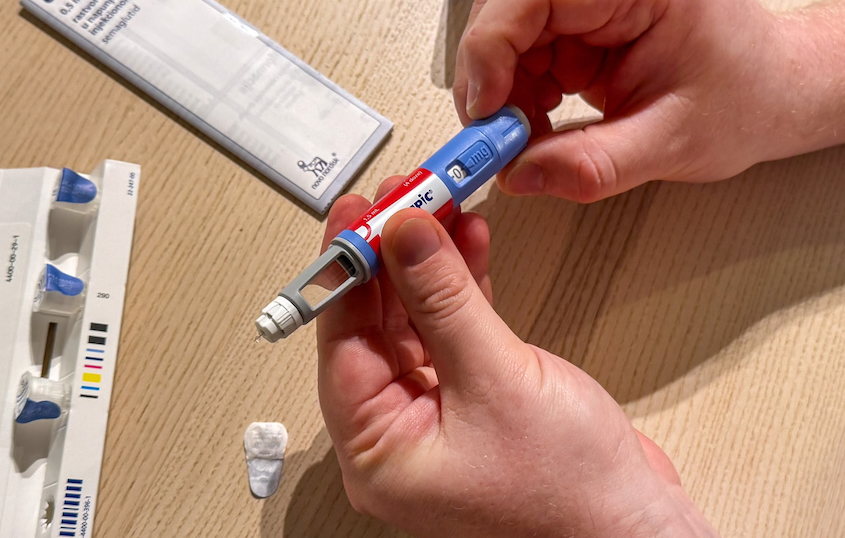
The results are concerning, but they do not mean that everyone who stops Ozempic or another GLP-1 drug suddenly has a 22% greater chance of suffering a heart attack or stroke. The figure represents a relative difference between people with type 2 diabetes who had been off GLP-1 treatment for two years and those who continued treatment. It should not be interpreted as a 22-percentage-point increase in someone's personal risk.
The study population also matters. Researchers specifically examined U.S. veterans with type 2 diabetes, and the population was predominantly male. The research used an observational target-trial emulation based on health records rather than a randomized clinical trial in which participants were assigned to continue or discontinue treatment. The findings show an association between treatment patterns and cardiovascular outcomes, but they cannot prove that stopping GLP-1 therapy directly caused the additional cardiovascular events.
That limitation is especially relevant for people using GLP-1 medications solely for weight management. The exact risk figures cannot automatically be applied to younger adults, women, people without type 2 diabetes, or the wider population taking these medications for obesity. The study instead provides evidence that, at least among people with type 2 diabetes, the cardiovascular benefits associated with GLP-1 treatment appear strongest when therapy continues and become weaker as time off treatment grows.
As GLP-1 use expands, that changes the conversation around what happens after someone reaches their goal weight or decides to stop treatment. Weight regain remains part of the picture, but it may not be the only consideration. For patients who benefit from the cardiovascular effects of these medications, what happens after treatment stops could be just as important as what happens while they are taking it.
For more articles like this, visit our Lifestyle News Page!