Scientists Push Back on Microplastic Health Fears


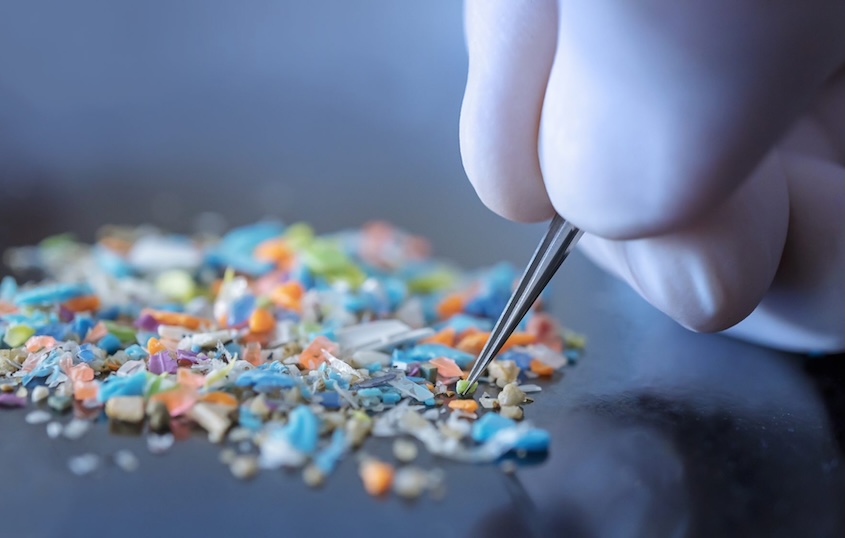
For years, the idea that microplastics were building up in our organs made headlines around the world. Reports warned of particles in human blood, lungs, and even the brain, often framing the issue as an urgent health threat. A new round of scientific reviews now suggests many of those claims may have leaned more on fear than solid evidence. As The Guardian reported this week, contamination risks and weak testing standards may have led early studies to overstate what researchers actually found.
The central issue is that detecting microplastics inside the body is far more complicated than it appears. Several recent analyses point out that some research teams used lab tools, filters, and plastic-based equipment that can easily introduce particles into samples. When the particles in the lab look similar to the ones being searched for, it becomes difficult to tell whether they came from the human body or the researchers’ own materials. Researchers warn that this problem is especially serious in studies claiming to find microplastics in the brain, since proving particles crossed the blood–brain barrier requires far stronger evidence than what many papers provided.
Other experts have raised similar concerns. They warn that some commonly used staining techniques can misidentify ordinary particles as microplastics, which makes results harder to trust. They also point out that several high-profile studies relied on small sample sizes or lacked the strict controls needed to prevent lab contamination. Some analysts reviewing the data have noted that a few papers measured particle levels so low that it was difficult to link them to any meaningful health effect.
The push to revisit early microplastics research mirrors a familiar pattern in public health reporting. Early studies generate attention, headlines amplify the scariest interpretation, and social media spreads it further. By the time follow-up research arrives with more context, the fear has already taken hold.
Examples of this pattern show up in other health debates. Energy drinks were once described as a broad cardiovascular threat, but clearer risks tended to involve heavy consumption or mixing them with alcohol rather than typical use. Concerns about nonstick cookware also surged after early chemical exposure studies, even though the most problematic compounds were phased out years ago. And warnings about blue light from screens circulated widely, despite later research showing that the most consistent effect involved sleep disruption rather than direct harm to the eyes. In each case, early findings raised important questions, but public conversation moved faster than the evidence.
Microplastic research is now going through its own correction period. Scientists say the field still needs consistent testing standards, better contamination controls, and more reliable sampling. Many agree that plastic pollution is an environmental problem, but that does not automatically mean every particle detected in a sample poses a health risk. Questions remain about how many particles actually enter the human body, how long they stay, and what levels matter.
Researchers are urging caution while the data develops. Some expect risks to emerge with long-term, high-level exposure. Others believe the body clears most particles before they cause harm. Both sides want stronger evidence before making firm claims either way.
The broader takeaway is that scientific uncertainty is often overshadowed by dramatic messaging. As microplastics continue to grab attention, experts hope the next phase of research will slow the conversation down and replace fear with clarity.
For more articles like this, visit our lifestyle news page!