Recent Posts
PCOS Is Now PMOS & the Change Means More Than Just a New Name


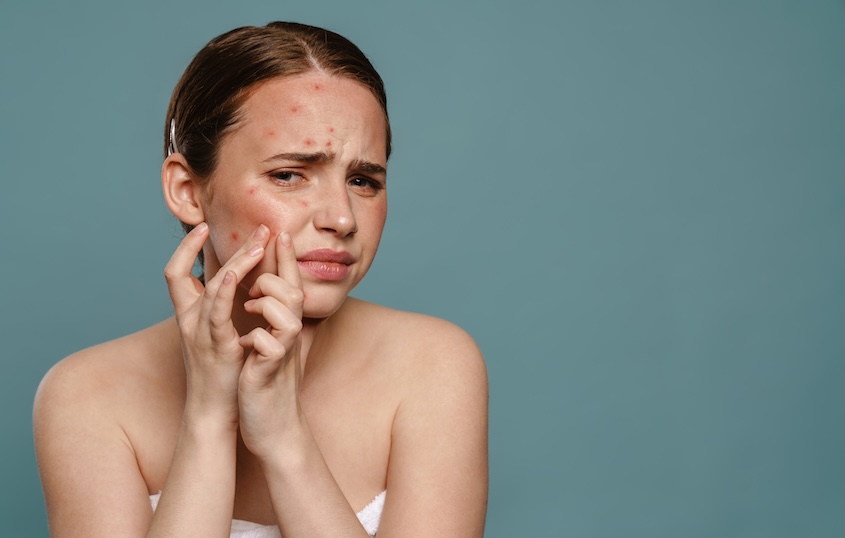
For years, girls and women with PCOS have been stuck trying to solve a puzzle where the pieces never seem to match. One person gains weight rapidly while eating and exercising the same way they always have. Another stays thin but deals with severe acne that no skincare routine, supplement, or “drink more water” advice can fix. Someone else starts noticing dark facial hair in the mirror under certain lighting and suddenly understands why they have been avoiding bright bathroom mirrors for months. Another loses chunks of hair from her scalp while being told her bloodwork is “mostly normal.” Some miss periods entirely. Some get them every month like clockwork and still end up diagnosed years later.
That is part of what has always made PCOS so difficult to explain. The condition rarely behaves the same way twice. And now, after years of pressure from researchers, doctors, and patient advocates, PCOS has officially been renamed polyendocrine metabolic ovarian syndrome, or PMOS. For many women living with the condition, the change feels less like a rebrand and more like medicine, finally admitting the old name was never telling the full story.
According to The Guardian, the rename was announced this week at the European Congress of Endocrinology in Prague, following an international effort to replace terminology experts say has confused both patients and healthcare providers for decades. The frustration surrounding the old name has been building for years among both patients and researchers.
The phrase “polycystic ovary syndrome” always sounded strangely narrow for a condition that can affect hormones, metabolism, energy levels, skin, sleep, mental health, fertility, hair growth, body weight, and insulin response all at once. Even the word “cysts” created confusion. Many women with PCOS do not actually have ovarian cysts in the way most people imagine. Others discover they have the condition through symptoms that seem completely unrelated to the ovaries in the first place. The result is a syndrome that has spent years being misunderstood, not just publicly, but medically too.
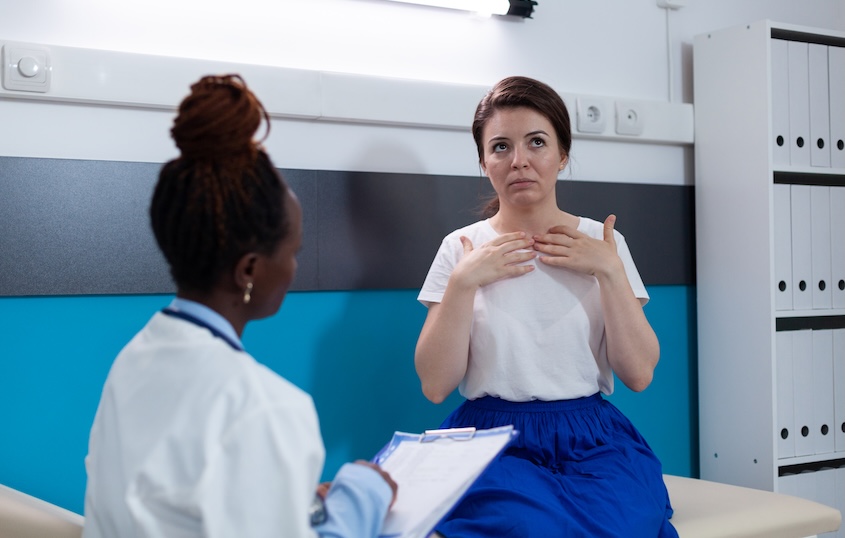
Women with PCOS often talk about diagnosis like it was a scavenger hunt nobody told them they were participating in. One doctor focuses on acne. Another mentions anxiety. Someone else brings up weight. A gynecologist asks about periods. A dermatologist prescribes creams. Meanwhile, the person living inside the body can feel that something bigger is clearly happening, even if nobody is connecting the dots properly. And then there is the issue of what PCOS is “supposed” to look like.
For years, the condition has carried stereotypes that many patients never fit into. Women who are thin or athletic often describe being overlooked because they did not match the common image associated with PCOS. Others with regular or semi-regular periods say they spent years being dismissed despite dealing with insulin resistance, excess hair growth, or hormonal symptoms. Some only discovered the condition after struggling to conceive. Others were diagnosed as teenagers after severe acne or missing periods raised concerns. There was never one correct way for PCOS to show up. The condition simply got treated that way. That disconnect has shaped how many women experience healthcare itself.

A surprising number of patients say their appointments eventually circled back to fertility, even when fertility was not the reason they came in. A teenager struggling with painful hormonal acne and sudden body hair growth may leave an appointment hearing more about ovulation than about self-esteem. Women dealing with exhaustion, mood swings, or rapid weight fluctuations are often handed vague advice about lifestyle changes while feeling like nobody is explaining why their body suddenly feels unfamiliar.
For some women, the experience becomes deeply isolating. PCOS symptoms are often visible enough to affect confidence, but invisible enough to be minimized. People notice the weight changes, acne, thinning hair, or fatigue without understanding the hormonal storm happening underneath. Many women describe feeling embarrassed by symptoms they cannot fully control while also feeling guilty for struggling with something others dismiss as cosmetic.
The internet is filled with women joking that PCOS turns the body into a confused group project where every hormone starts doing its own thing without informing the others first. The joke works because the condition genuinely can feel chaotic. That is part of why the rename to PMOS matters emotionally as much as medically.
The new name shifts the focus away from just ovaries and toward the broader systems involved. “Polyendocrine” reflects the hormonal component of the syndrome. “Metabolic” highlights the links to insulin resistance, blood sugar regulation, inflammation, cardiovascular risks, and type 2 diabetes. “Ovarian” remains because reproductive symptoms still matter for many patients, but they are no longer treated as the entire identity of the condition.
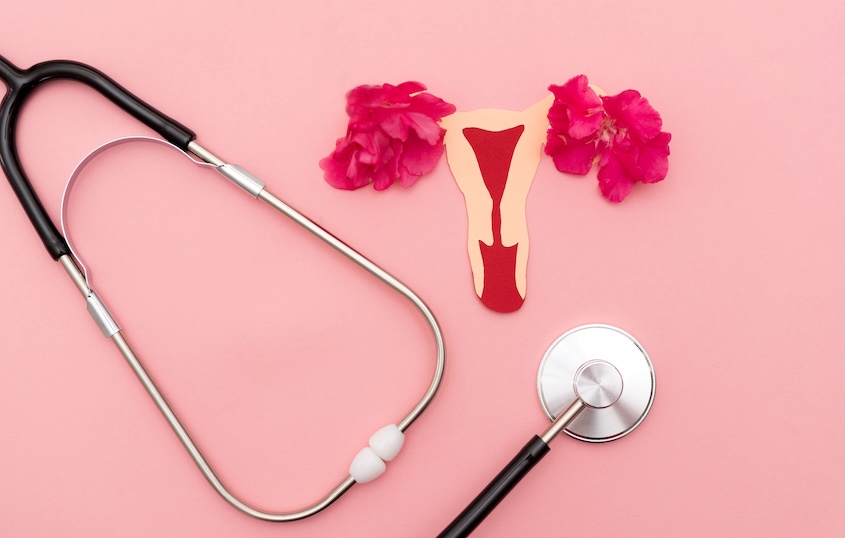
The change may also help future patients get diagnosed earlier. Experts have long warned that PCOS is significantly underdiagnosed worldwide. Part of the problem is that symptoms vary so dramatically from one person to another. Another issue is that many healthcare systems still treat symptoms separately instead of recognizing them as part of one larger condition. A patient may spend years trying to manage fatigue, irregular cycles, skin issues, or metabolic symptoms individually before anyone recognizes the broader pattern.
A more accurate name cannot solve all of those problems overnight, but names shape how doctors think. They shape research priorities, treatment conversations, and public understanding. The old name narrowed the conversation to ovaries and cysts. The new one opens the door to discussing the condition as the full-body syndrome many patients have always experienced it as. That shift also pushes back against one of the most frustrating misconceptions surrounding PCOS: the idea that it only matters if someone wants children.
Fertility struggles are real and important for many women with the condition. But reducing PCOS to reproduction has left many patients feeling like their health only becomes medically interesting once pregnancy enters the conversation. Women have spent years trying to explain that the condition affects daily life long before that point. It affects confidence, relationships, eating habits, energy levels, sleep, mental health, and the strange emotional exhaustion that comes from constantly managing symptoms other people cannot fully see.
Some women with PCOS become experts at appearing fine while quietly carrying an entire pharmacy worth of coping mechanisms in their bag. Hair ties. Supplements. Emergency tweezers. Oil blotting sheets. Snacks to avoid blood sugar crashes. Enough mental calculations about hormones, calories, and symptoms to qualify for honorary accounting degrees. And despite how common the condition is, many patients still grow up feeling strangely alone in it.
That is why this rename is resonating so strongly online. Not because PMOS is a perfect name. Some experts still argue that keeping “ovarian” in the title may continue limiting how people understand the condition. Others worry the transition between terms could temporarily confuse patients searching for information.
But for many women, the change feels validating in a way medical terminology rarely does. It acknowledges that this condition was never simple. Never cosmetic. Never just about fertility. Never one-size-fits-all. And maybe most importantly, it acknowledges something patients have been trying to say for years: there was never one “look” to PCOS in the first place.
For more articles like this, visit our lifestyle news page!