Artemis II & the Moments That Made the Moon Feel Human


A return to the Moon, and a step farther than ever before
Artemis II did more than push humans farther from Earth than ever before. It turned a record-setting mission into something unexpectedly human.
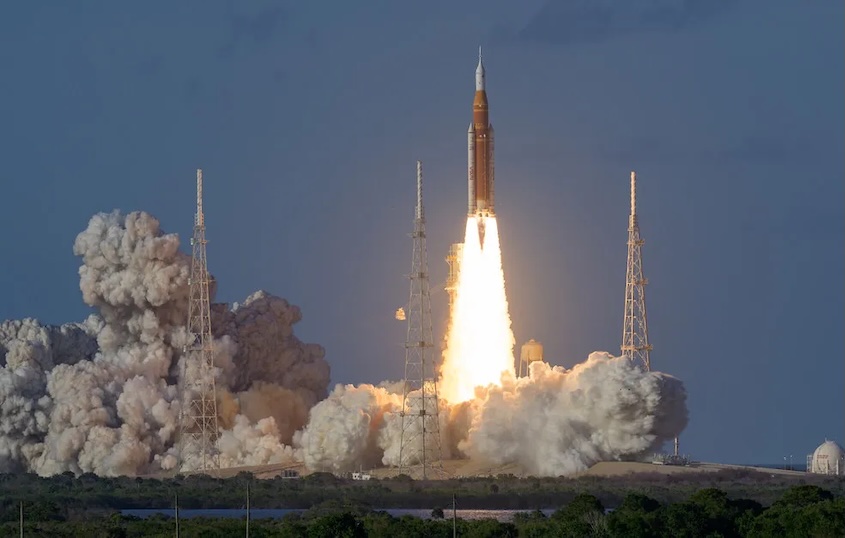
For the first time since the Apollo program ended in 1972, humans have returned to the Moon’s vicinity. Artemis II is not a landing mission. It is a flyby, a roughly 10-day journey designed to test systems and carry a crew deeper into space than any mission in decades.
At its farthest point, Orion traveled more than 250,000 miles from Earth, surpassing the record set by Apollo 13. For a brief stretch behind the Moon, the crew became the most distant humans in history.
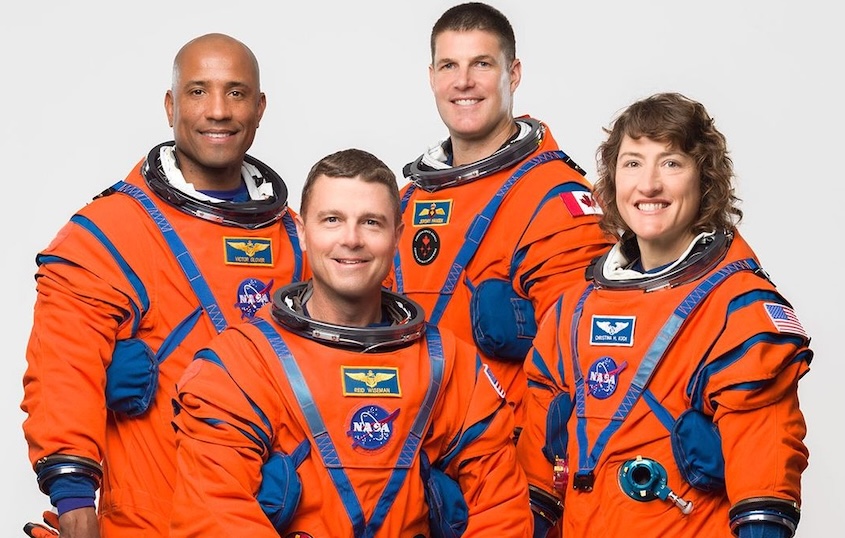
On board are Reid Wiseman, Victor Glover, Christina Koch, and Jeremy Hansen. NASA confirmed this as the first lunar crew to include a woman, a person of color, and a Canadian astronaut, marking a visible shift in who gets to be part of humanity’s return to deep space.
Why Artemis, and what the name carries forward
The mission takes its name from Artemis, the twin sister of Apollo, creating a direct link to the Apollo program that first brought humans to the Moon. The choice is intentional. Apollo marked a singular achievement. Artemis is meant to build on it.
This time, the goal is not one defining moment, but a sustained presence. Not just to reach the Moon again, but to return, stay, and expand what comes next.
That shift is also reflected in who is on board. Christina Koch stands at the center of it. Already known for her record-setting time in orbit, she now becomes the first woman to travel this far into deep space. It expands what a historic first looks like, not just in where humans go, but in who gets to go.
What the mission set out to prove
Artemis II is not just about returning. It is about preparing.
NASA designed the mission to test Orion’s performance in deep space under real conditions. The crew handled operations that future missions will rely on, including:
- Life support system performance over extended distance
- Navigation and manual control beyond low Earth orbit
- Deep space communication, including blackout periods
- Direct human observation of the lunar surface
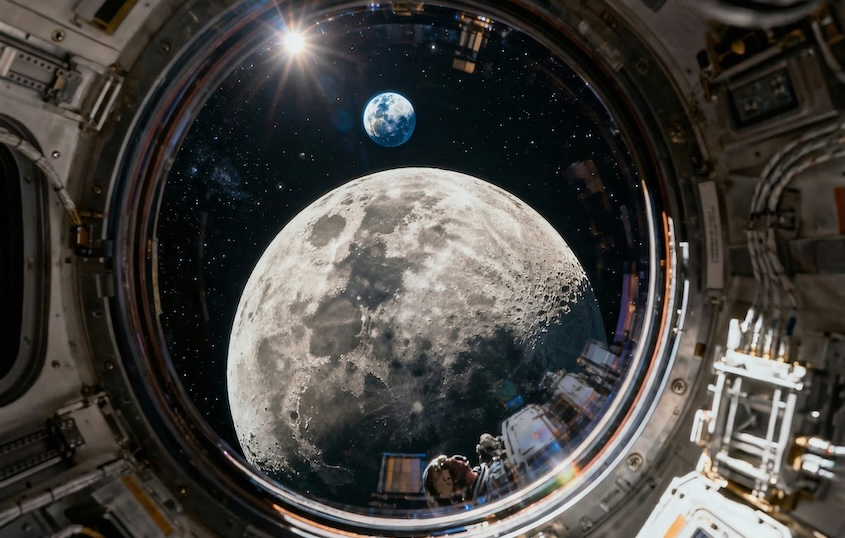
During the flyby, the spacecraft passed within about 4,000 miles of the Moon. The crew studied craters, lava flows, and subtle differences in brightness and texture. These observations help scientists better understand the Moon’s surface and plan future landing sites.
This mission is the groundwork for what comes next.
When grief found its place on the Moon
Then came a moment no checklist could plan for.
During the livestream, the crew proposed naming an unnamed crater in honor of Reid Wiseman’s late wife, Carrol, who passed away in 2020 from cancer. The moment slowed everything down. Jeremy Hansen’s voice carried the tribute, then the crew paused and embraced. Mission control remained silent for several seconds before responding.
Grief rarely has a clear destination. At that moment, it found one.
They placed it on the Moon.
From ancient stories to modern missions, people have always looked up and tied the Moon to memory, distance, and loss. Artemis II did not change that instinct. It carried it forward, placing something deeply human into a place once unreachable.
A message sent before silence
As Orion approached the far side of the Moon, communication with Earth was about to cut off.
Before the signal dropped, the crew said:
“To all of you down there on Earth and around Earth, we love you, from the Moon.”
Then came silence.
For about 40 minutes, the spacecraft was completely out of contact. No signals. No updates. Just four people moving behind the Moon, farther from Earth than anyone before them.
In a mission defined by distance, the final instinct before isolation was connection.
The silence, and what came after
When communication returned, Christina Koch’s voice came through clearly, carrying both reflection and direction. She spoke about what lies ahead. Building spacecraft. Establishing science outposts. Driving rovers. Expanding industry. Pushing forward.
Then she grounded it.
“We will always choose Earth. We will always choose each other.”
That contrast defines Artemis II. It is about going farther, but also about seeing home more clearly.
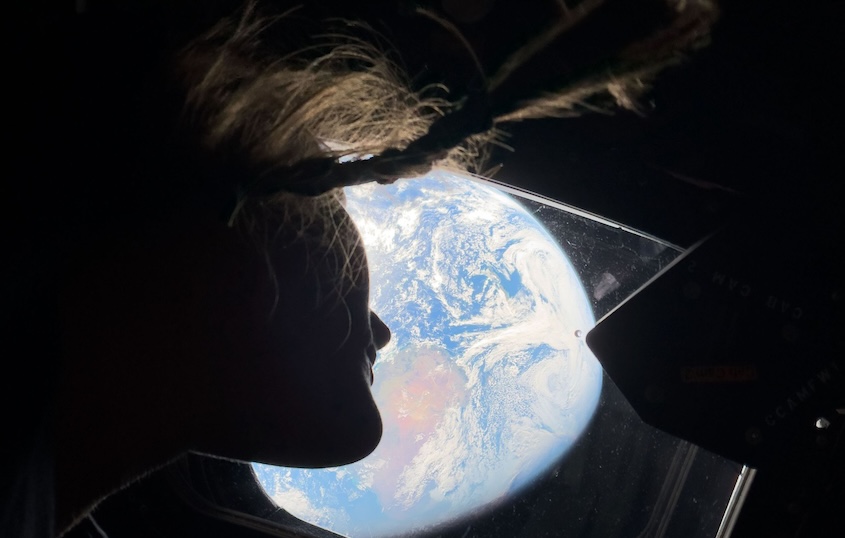
Koch has spoken before about how space changes perspective. From orbit, Earth does not show borders or divisions. It appears as one shared place. On this mission, that idea felt less abstract and more immediate.
Seeing the Sun disappear and Earth shine back
During the flyby, the crew witnessed a solar eclipse from a vantage point few humans have ever experienced. As the Moon moved in front of the Sun, the corona became visible, a faint outer atmosphere usually hidden by brightness.
At the same time, they watched Earthset and Earthrise along the lunar horizon.
Victor Glover described how, even as sunlight dimmed, Earth continued to reflect brightness back. Even in the shadows, it stood out.
It was a scientific observation, but it carried more than data alone could capture.
A mission people experienced together
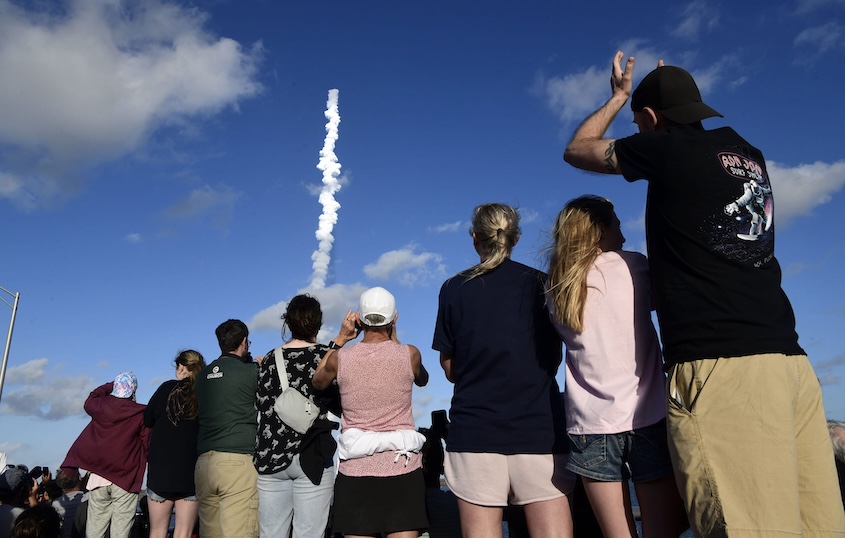
NASA made Artemis II accessible in a way that earlier lunar missions were not. Through livestreams and real-time updates, people around the world followed the journey as it unfolded.
Different countries. Different languages. Same moment.
The mission did not just happen in space. It happened across screens, in real time, with millions watching the signal drop and waiting together for it to return.
That shared experience gave the mission a different kind of weight.
What Artemis II leaves behind
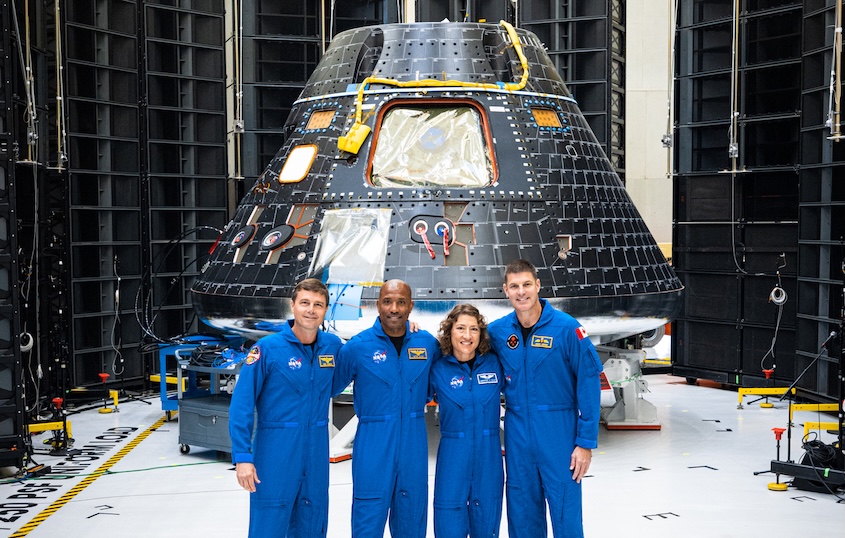
Artemis II did not land on the Moon, but it achieved something just as important.
- Set a new record for the farthest distance humans have traveled
- Tested the systems needed for future lunar and deep space missions
- Expanded who is represented in human spaceflight
- Turned a technical mission into a shared human experience
And beyond the measurable milestones, it left something else behind.
- A crater tied to memory and loss
- A message sent just before silence
- A reminder that Earth remains at the center of the story
- Space exploration often focuses on how far humans can go.
Artemis II showed what they carry with them when they get there.
For more articles like this, visit our lifestyle news page!