Content
Recent Posts
Auto Warranty vs. Insurance: What Each One Covers


An auto warranty may pay when an eligible vehicle component fails, while car insurance may cover damage caused by a crash, theft, severe weather, or another covered event. Confusing the two can lead to denied claims and unexpected expenses.
The main difference between the auto warranty and insurance is the cause of the problem. Warranty coverage focuses mainly on certain mechanical and electrical failures. Auto insurance focuses on accidents, liability, property damage, and other risks listed in the policy. This blog explains what each option covers, what it excludes, how costs and claims differ, and why many drivers may need both.
Content
What Is an Auto Warranty?
An auto warranty is an agreement under which a vehicle manufacturer or seller accepts responsibility for certain defects or failures during a set warranty period. A standard warranty normally comes with a new car and does not require a separate purchase. Its limits may be based on time, mileage, or whichever comes first.
The term “extended warranty” often refers to a separately purchased vehicle service contract. Although people use the terms interchangeably, the Federal Trade Commission explains that a service contract bought separately is not a warranty under federal law. It is an optional contract that pays for specified repairs or services under its own terms. These contracts may be sold by automakers, dealerships, administrators, or an independent warranty company.
That distinction matters because the company responsible for a repair, the claims process, and the available consumer protections may differ. Before buying additional coverage, identify whether the document is a manufacturer-backed warranty, a manufacturer-backed service contract, or a third-party vehicle service contract.
What does an auto warranty cover?
Coverage depends on the contract. A manufacturer’s comprehensive warranty or limited warranty may cover many factory-installed mechanical parts and electrical components when they fail because of defects in materials or workmanship. A powertrain warranty has a narrower focus and generally covers major components that create and deliver power, such as the engine, transmission, drivetrain, and transfer case.
Vehicle service contracts offer several possible coverage structures. An exclusionary contract covers many vehicle components except those listed as excluded. A stated-component contract covers only the parts of your car named in the agreement. Entry-level powertrain plans tend to focus on major components, while higher-level plans may include air conditioning, steering, suspension, electrical systems, and other systems.
Coverage is never automatic simply because a repair is expensive. The failed part, cause of failure, vehicle eligibility, maintenance history, and contract status can all affect the decision. The contract’s terms determine what a car warranty covers and which repair costs remain the owner’s responsibility. The Consumer Financial Protection Bureau states that vehicle service contracts pay for some repairs beyond the manufacturer’s warranty or after it ends, but not every repair a car may need.
What does an auto warranty exclude?
Many warranties and service contracts exclude routine maintenance, normal wear, cosmetic damage, accident damage, and failures caused by neglect or misuse. Common parts excluded from coverage may include oil changes, brake pads, tires, wiper blades, upholstery, glass, and paint. Some contracts offer limited maintenance benefits, but these should not be assumed.
A provider may also deny a claim if the repair involves a preexisting condition, an unauthorized modification, or a part that is not listed as covered. Missing maintenance records can create problems when the failure may be linked to poor upkeep. The FTC advises consumers to treat an unlisted repair as uncovered and to review maintenance requirements, coverage limits, and other restrictions before buying.
What Is Car Insurance?
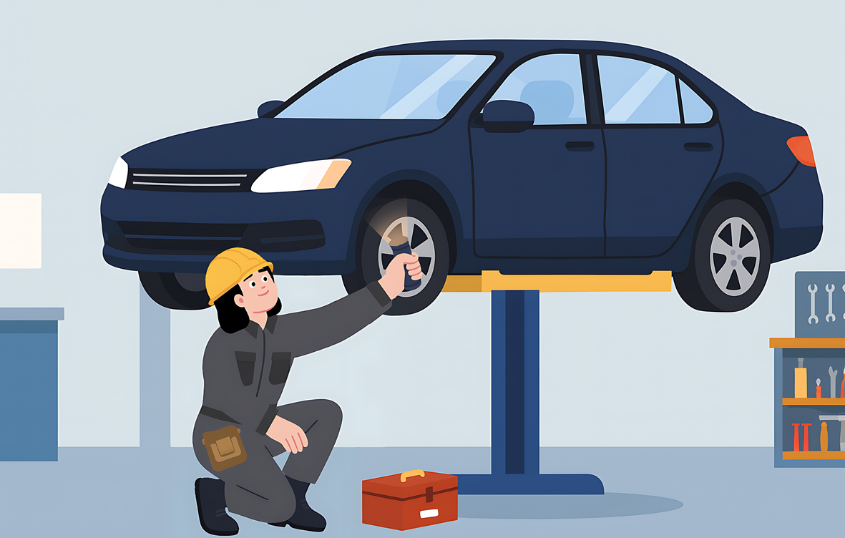
Car insurance is a policy that transfers specific financial risks from the policyholder to an insurance company in exchange for a premium. Depending on the selected coverage, it can help pay for injuries, damage to another person’s property, repairs to the insured vehicle, theft, and losses caused by events such as fire, hail, or falling objects.
An auto policy is not one blanket form of protection. It combines separate coverage types, each with its own purpose, limits, deductibles, and exclusions. The policy declarations page shows which coverages a driver selected and the maximum amount the insurer may pay.
Most states require drivers to carry a minimum amount of liability coverage, though the rules and minimum limits vary. Lenders and leasing companies may also require collision and comprehensive coverage while they have a financial interest in the vehicle. The National Association of Insurance Commissioners recommends checking the requirements of the relevant state.
What does car insurance cover?
The protection available through an auto policy may include:
- Bodily injury liability: Helps pay for injuries to other people when the insured driver is legally responsible for a crash, subject to policy limits
- Property damage liability: Helps pay for damage the insured driver causes to another person’s vehicle or property
- Collision coverage: Helps repair or replace the covered vehicle after a collision with another vehicle or object, regardless of fault, subject to the policy terms and deductible
- Comprehensive coverage: Covers specified noncollision losses, which may include theft, vandalism, fire, hail, flooding, animal strikes, or falling objects
- Uninsured and underinsured motorist coverage: May help when an at-fault driver has no insurance or not enough coverage. The exact protection varies by state and policy
- Personal injury protection or medical payments coverage: May pay eligible medical expenses for the driver and passengers. Availability and legal requirements depend on the state
Liability coverage protects against claims from other people. It generally does not pay to repair the policyholder’s own car. Drivers who want protection for their vehicle usually need collision, comprehensive, or both, depending on the cause of the loss.
What does car insurance exclude?
Standard car insurance generally does not pay for a component that stops working because of age, a defect, poor maintenance, or normal use. If an engine develops an internal fault without any covered external event, collision, or comprehensive coverage, it usually will not apply. The Insurance Information Institute specifically notes that collision coverage does not reimburse for mechanical failure or normal wear and tear.
Policies may also exclude intentional damage, certain commercial uses, unlisted or excluded drivers, and losses involving prohibited activities. A claim can fall outside coverage when the policy has lapsed or when the damage costs less than the deductible. Exact exclusions differ, so the policy language controls the outcome.
Auto Warranty vs. Insurance: The Key Differences
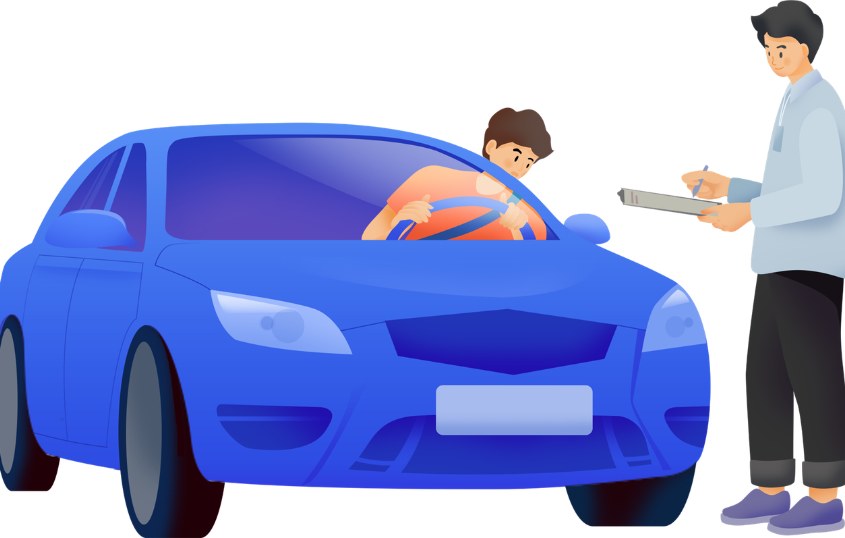
Car warranties and insurance can both reduce financial risk, but they address different events. Neither serves as a complete substitute for the other.
They protect against different causes of loss
The cause of the damage usually determines which form of protection may apply. If a covered transmission component fails during normal driving, a warranty or service contract may cover the repair. If the transmission is damaged when another vehicle hits the car, the claim would normally fall under the applicable auto insurance coverage.
This cause-based test is more useful than looking only at the damaged part. The same component may fall under a warranty in one situation, insurance in another, or neither in a third.
Insurance may be legally or contractually required
Most states require some form of auto liability insurance. A lender or leasing company may require physical damage coverage as a condition of financing or leasing. Failing to maintain required insurance can expose the driver to legal penalties, personal liability, or lender action.
An extended car warranty or vehicle service contract is generally optional. The CFPB states that dealers and lenders normally cannot require a buyer to purchase an extended warranty, GAP product, or credit insurance to obtain an auto loan. A factory warranty is different because it usually comes with a qualifying new vehicle at no separate charge.
The providers and contracts are different
Licensed insurance companies issue auto insurance policies and operate under state insurance rules. Warranty and service contract coverage may come from a manufacturer, dealer, administrator, or third-party provider. State treatment of service contracts can vary, including which entity must register and what financial requirements must be met.
The name on a sales brochure may not be the company that approves and pays claims. Drivers should identify the contract obligor, administrator, insurer, or reimbursement backer if listed, and the cancellation contact before signing.
Claims follow different processes
For a warranty or service contract claim, the driver typically takes the vehicle to an eligible repair shop or another approved repair facility. The shop diagnoses the problem and contacts the administrator for authorization. Starting repairs before approval may result in a denial, even if the failed part would otherwise qualify. The contract may require teardown approval, maintenance records, or an inspection.
An insurance claim usually begins after a covered incident. The policyholder reports what happened, documents the damage, and may provide a police report, photos, witness details, or other evidence. The insurer investigates the loss, determines whether coverage applies, and estimates the payable damage. A deductible may be subtracted from the payment for collision or comprehensive claims.
Repair facility rules may differ
Warranty and service contract documents may require repairs at a franchised dealership, an authorized network shop, or a licensed repair facility that accepts the administrator’s process. A manufacturer's warranty may be usable through dealerships within that automaker’s network.
Insurance companies often maintain preferred repair networks, but a preferred shop is not always mandatory. State laws can affect a driver’s right to choose a repair facility. The policyholder should confirm local rules, payment arrangements, parts standards, and any workmanship guarantee before authorizing repairs.
Payment structures are not the same
Auto insurance usually requires a recurring premium. The price reflects factors such as location, driving history, type of vehicle, mileage, selected limits, deductibles, and the coverage purchased. A claim may affect future premiums, though the impact depends on the circumstances, insurer, and state rules.
A vehicle service contract may be paid in full, financed with the vehicle, or divided into installments. Financing the cost increases the total paid because interest may apply. Service contracts may use a deductible per repair visit, per covered repair, or not at all. Drivers should check whether diagnostic charges, taxes, fluids, and labor-rate differences are included.
Do You Need Both & What Do They Cost?
Many drivers need car insurance to address legal liability and major losses involving injuries, a totaled vehicle, or theft. A warranty or service contract serves a separate purpose by making unexpected repair costs more predictable after a covered component fails. Added repair coverage may suit car owners who plan to keep a vehicle after its factory warranty ends, own a model with costly technology, or would rather pay for coverage than risk a large repair bill. It may provide less value when similar factory coverage remains active, the vehicle is highly reliable, the contract has broad exclusions, or the owner has enough savings for repairs.
Age and mileage affect both eligibility and cost. Older vehicles face a higher likelihood of repairs but may qualify only for narrower, more expensive plans with additional exclusions. Service contract prices also depend on the vehicle’s make, model, repair history, coverage level, term, deductible, and provider. Broader contracts usually cost more than basic powertrain plans, while dealer markup and financing charges can raise the final amount. For a low-value vehicle, the contract may cost close to what the owner would reasonably spend on major repairs before replacing the car.
Insurance premiums are based on a different set of factors, including the driver’s record, location, age where permitted, annual mileage, vehicle, prior claims, coverage limits, deductibles, and available discounts. Since insurers weigh these details differently, quotes for the same driver can vary. Price alone does not determine value: an inexpensive service contract may cover few parts, while a low insurance premium may come with high deductibles or low liability limits. A useful comparison should account for covered events, exclusions, limits, out-of-pocket costs, provider reliability, and the claims process.
How to Choose the Right Vehicle Protection
Start by listing the protection already in place. Check the factory warranty’s expiration date and mileage limit, the auto insurance declarations page, any dealer add-ons, and benefits from a credit card, roadside program, or vehicle purchase. Then confirm the type of warranty or service contract being offered before comparing its coverage and cost.
When comparing auto warranty coverage or a vehicle service contract, review:
- The exact components and causes of failure are covered
- Every major exclusion and maintenance requirement
- The waiting period, term, and mileage limit
- Deductibles and the way they are charged
- Labor-rate limits and rules for replacement parts
- Repair facility and prior-authorization requirements
- Claim limits and the contract’s total payout cap
- Cancellation, refund, and transfer terms
- The company responsible for paying approved claims
When comparing insurance, examine the required state coverage, liability limits, deductibles, collision and comprehensive protection, uninsured motorist coverage, rental reimbursement, and roadside assistance. Consider the amount you could pay after a serious crash, not only the minimum needed to register the car.
Final Thoughts
The auto warranty and insurance distinction mainly comes down to what caused the expense. A vehicle warranty or service contract may cover eligible mechanical and electrical failures, while insurance addresses covered events such as crashes, liability claims, theft, and storm damage. Insurance may be required by state law or a financing agreement, while added warranty coverage is generally optional.
Neither form of protection covers every vehicle expense. “Full coverage” insurance does not usually pay for internal breakdowns, and a warranty does not automatically cover every repair. Routine maintenance and normal wear often fall outside both, while roadside assistance may arrange services such as towing without paying for the underlying repair. GAP protection serves another purpose by potentially covering the difference between a vehicle’s value and its outstanding loan balance after a covered theft or total loss.
Drivers can decide whether they need both by reviewing their current protection, vehicle reliability, repair savings, deductibles, exclusions, and claim requirements. The policy and contract terms provide a clearer picture than broad labels such as “full coverage” or “extended warranty.”
Before choosing a plan, browse our auto warranty reviews, compare extended warranty providers with our comparison tool, and read our auto warranty articles. Comparing written quotes, added benefits, and contract terms can help identify the coverage that best fits the vehicle, budget, and driving needs.
FAQs
Is an auto warranty the same as car insurance?
No. An auto warranty or service contract may pay for specified vehicle repairs after an eligible mechanical or electrical failure. Car insurance covers selected risks such as liability, collisions, theft, and weather-related damage, depending on the policy.
Does car insurance cover engine or transmission failure?
Standard insurance usually does not cover an engine or transmission that fails because of wear, a defect, or an internal breakdown. Coverage may apply when a covered incident, such as a crash or flood, directly causes the damage. The insurer will examine the cause of loss and policy terms.
Does an auto warranty cover accident damage?
Auto warranties and typical vehicle service contracts generally exclude collision damage. The appropriate insurance coverage may pay, depending on fault, the coverage purchased, and the policy terms.
Can a lender require both insurance and warranty coverage?
A lender can normally require insurance that protects its financial interest in the vehicle, such as collision and comprehensive coverage. An extended warranty or service contract is usually optional, and the CFPB says it generally cannot be required as a condition of an auto loan.
Can an auto warranty cover a used vehicle?
Yes. A used car may retain part of its transferable factory warranty, include dealer-provided limited coverage, or qualify for a separately purchased service contract. Eligibility, covered parts, and claim limits depend on the vehicle and agreement.
What happens if a mechanical failure causes an accident?
Two claims may need separate review. A warranty or service contract may consider the failed component, while auto insurance may consider resulting collision damage or liability. Coverage depends on the failure, exclusions, causation, and the terms of both contracts.
Is mechanical breakdown insurance the same as an extended warranty?
No. Mechanical breakdown insurance is an insurance product offered by some insurers and regulated as insurance. A vehicle service contract is a separate agreement offered by a manufacturer, dealer, administrator, or third party. The products can cover similar repairs, but eligibility, regulation, terms, and claims procedures may differ.